
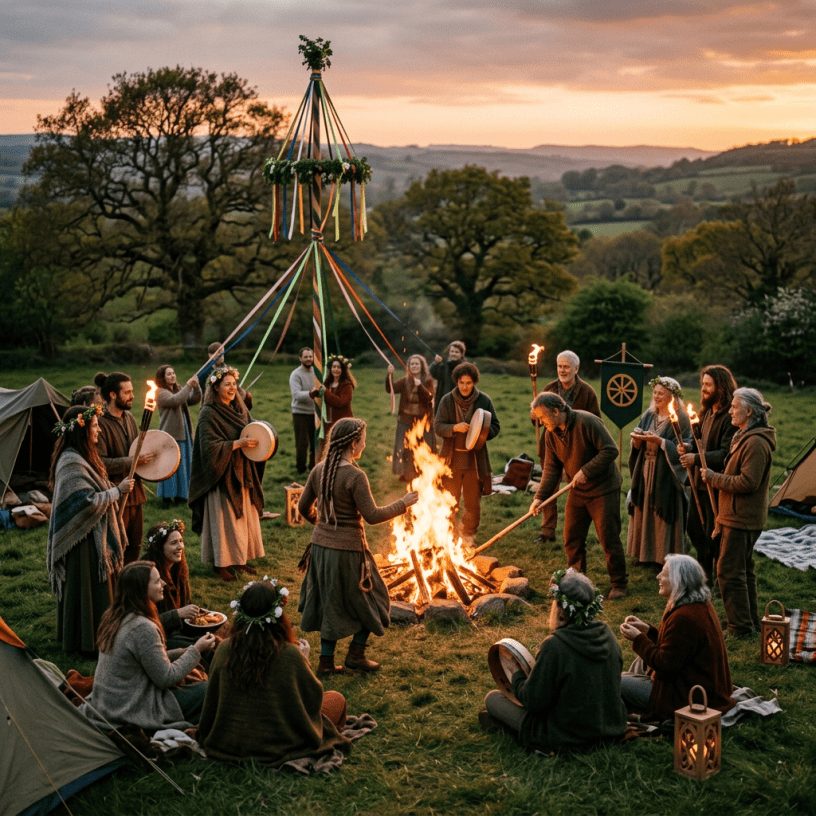
Across Australia, Anglo and Celtic culture isn’t just remembered — it’s actively lived and celebrated in communities year-round. From the spectacle of the Brisbane Celtic Festival and traditional Highland games at events like the Bundanoon Highland Gathering, to the rich choral traditions kept alive by groups such as the Australian Welsh Male Choir, these customs continue to draw crowds and participation. Irish music sessions, Cornish festivals like Kernewek Lowender, and local pipe bands all reflect a heritage that has adapted to Australian life without losing its identity. Whether it’s through dance, song, food or storytelling, these events show that Anglo and Celtic traditions aren’t relics of the past — they’re a visible and ongoing part of Australia’s cultural landscape.

JANUARY – First footing, Hogmanay and fresh starts still kicking on down under
New Year’s Day might look like a quiet recovery session in Australia, but it’s sitting on top of one of the biggest traditions in Scotland — Hogmanay.
Long before fireworks and countdowns, Hogmanay was the main event. In parts of Scotland, it mattered more than Christmas, with celebrations stretching into 1 January — something reflected in older customs explored in Holiday customs keep Celtic Christmas spirit alive.
You’ll still find Hogmanay celebrations in Australia. At the centre of it all was “first footing” — the idea that the first person to cross your threshold after midnight sets the tone for the year ahead. We explore all the hottest old traditions from back home.
For more than 160 years, the Maryborough Highland Gathering has been held on New Year’s Day. Born during the gold rush and shaped by the hands of Scottish prospectors and businessmen who longed to recreate the New Year traditions of their homeland, the Gathering has grown into Australia’s oldest continuous sporting event.
On 6 January, the Irish celebrate Women’s Little Christmas with events across Australia.
Rabbie Burns Day, celebrated on January 25th, is an annual event honouring his life and poetry. Across Australia, Rabbie Burns Day is marked by lively gatherings, festive feasts, and a rich display of Scottish arts. Australians with Scottish heritage and those simply eager to partake in the festivities join hands in commemorating Burns’ literary contributions and culture.
Saint Dwynwen’s Day, celebrated on January 25th, is Wales’s own version of Valentine’s Day, honouring Saint Dwynwen, the Welsh patron saint of lovers.
FEBRUARY – St Brigid’s crosses and the traditions making a quiet comeback
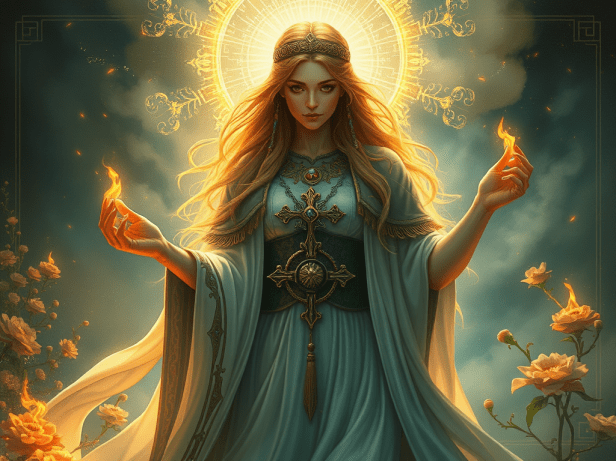
February doesn’t shout for attention, but it carries one of Ireland’s oldest traditions.
St Brigid’s Day marks the turning point between winter and spring, and traditions like weaving crosses and blessing homes are still being rediscovered today — as seen in Brigid legacy remembered as Celts celebrate Imbolc festival.
Historically, it was about protection, renewal and hope for the year ahead.
In Australia, it’s seen its popularity grow year on year.
This is followed by St Valentine’s Day on 14 February. Did you know that the Saint lies at rest in Dublin? And Valentine is not the only love figure Celts celebrate.
MARCH – How St Patrick’s Day took over the world and never let go
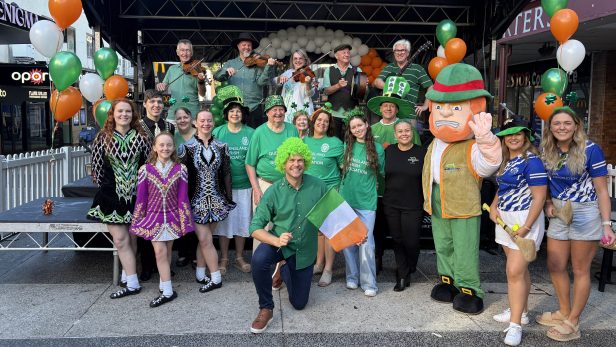
St Patrick’s Day is one tradition that didn’t just survive — it expanded.
Across Australia, it’s now a full-scale celebration of identity and community, with parades, events and packed pubs — something captured in From parties to TV, Queensland Irish Association’s March was lit!.
Originally a modest religious feast, it was the Irish diaspora that turned it into the global event it is today.
That legacy is still visible. It’s about showing up, celebrating and connecting — whether through formal events or a simple gathering.
It may have changed, now involving festivals rather than just day-long celebrations — but its purpose hasn’t.
Clifton in the Darling Downs, Queensland, hosts its annual Finnegans Wake Parade at the start of March. This quirky, hilarious event has grown into a cherished tradition, blending Irish literary inspiration with Aussie flair.
The Welsh across Australia celebrate their patron, St David’s Day on March 1st, with church services, choir concerts and gatherings.
Saint Piran’s Day on 5 March is a celebration of all things Cornish, honouring the patron saint of Cornwall, who’s said to have discovered tin in the region. Over time, Saint Piran has become a symbol of Cornish pride, especially for those with Cornish roots living around the world, including in Australia.
At the end of March, The Catalpa Festival, a tribute to one of Australia’s most daring prison escapes, that of six Irish Fenians, brings history to life in Rockingham and Fremantle, Western Australia.
APRIL – Hot cross buns and the old traditions baked into Australia
Hot cross buns might feel like a supermarket staple, but their roots run deep.
Easter traditions across Britain and Ireland were often layered with humour, symbolism and ritual — from food customs to playful events like Ireland’s “herring funeral”, explored in Herring funerals Move over bunnies it’s Easter traditions the Celtic way.
These traditions marked the end of fasting and the return of abundance.
Saint George’s Day, celebrated on April 23rd, is the feast day of Saint George, a Christian martyr, and the patron saint of England. It is marked with events across Australia.
Australia’s most Irish town, Koroit in Victoria, hosts The Koroit Irish Festival in April, bringing all the music, dancing, and good times that make it one of Australia’s best Irish celebrations.
MAY – Why people are still dancing at sunrise on May Day
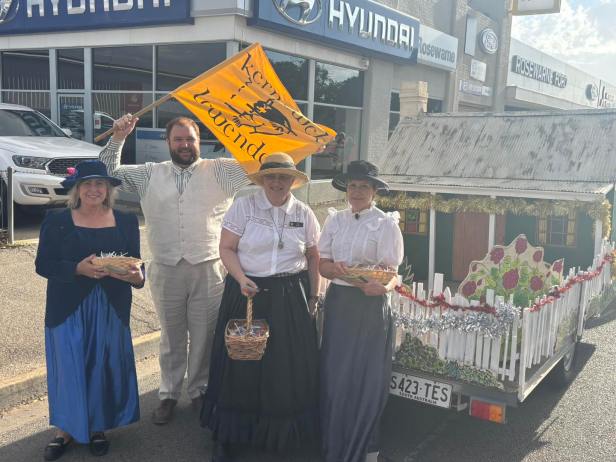
It looks unusual — but May Day traditions are still going strong.
From Morris dancing to maypoles and bonfires, the roots of the festival lie in Beltane — explored in Embracing Beltane traditions with blossoms and bonfires.
Across Australia, small groups still gather at sunrise to “dance up the sun”, keeping the tradition alive.
And beyond dawn rituals, larger events like Kernewek Lowender and The English Ale bring these customs into full public view.
Flowers are also at the heart of a beautiful tradition – The Copper Coast’s Cornish community performs Dressing of the Graves biannually at the Yorke Peninsula in South Australia.
Then St Yves’ Day, celebrated on May 19th, honours the patron saint of Brittany with events in Sydney.
And in Queensland, May sees a high-energy celebration of Celtic culture as the Brisbane Junior Celtic Games take over Moorlands Park in Auchenflower.
JUNE – Midwinter fires and the traditions we forgot to bring with us
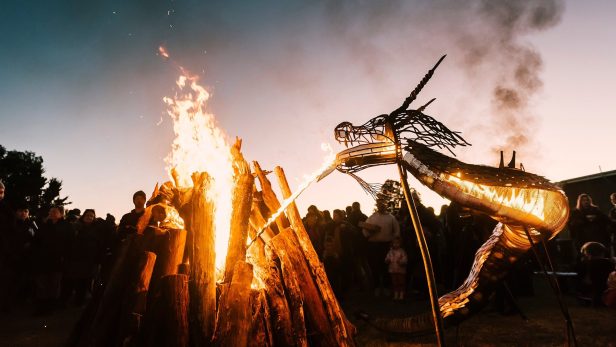
Midwinter once meant fire, gathering and holding back the dark.
Across Britain and Ireland, bonfires and solstice rituals marked the turning point of the year — traditions explored in Litha celebrates Celtic midsummer solstice.
In Australia, the equivalent season arrives in June. Events like Cracker Night making a dazzling comeback show how fire-based traditions have adapted locally. Incorporating Winter Solstice and the Winter School Holidays, the annual East Gippsland Winter Festival presents one of the largest winter festival programs anywhere in Australia.
As the sun reaches its northernmost point on Saturday, 21 June, marking the winter solstice, communities across Australia will gather to honour this ancient astronomical event with ceremonies steeped in Celtic tradition.
Each year on June 16, literature lovers around the world celebrate Bloomsday — a tribute to Irish author James Joyce’s modernist masterpiece Ulysses.
JULY – Christmas in July and why we can’t let winter go to waste
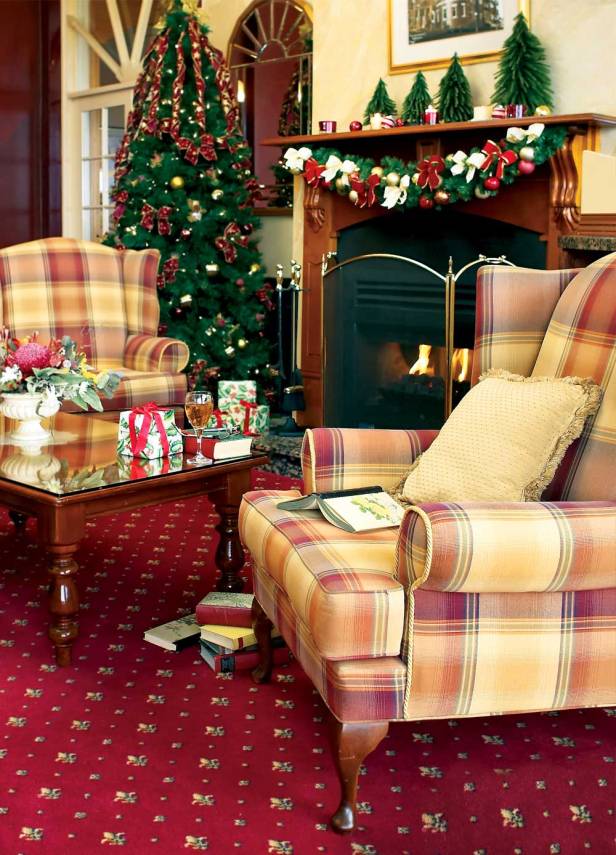
Christmas in July might feel like a novelty, but it taps into something real.
Traditional Christmas in Britain and Ireland was built around winter — fire, warmth and shared meals. That’s reflected in older customs explored in Holiday customs keep Celtic Christmas spirit alive.
Australia flipped the seasons — but not the instinct.
So July becomes the stand-in. Roasts, red wine and long lunches return, just at a more fitting time of year.
On July 5th, Manx groups across the country celebrate Tynwald Day.
In Adelaide, you may just catch Morris dancing at composer Percy Aldridge Grainger’s grave, with an annual lively foot-up in West Terrace Cemetery.
AUGUST – Lammas, loaves and the start of harvest traditions
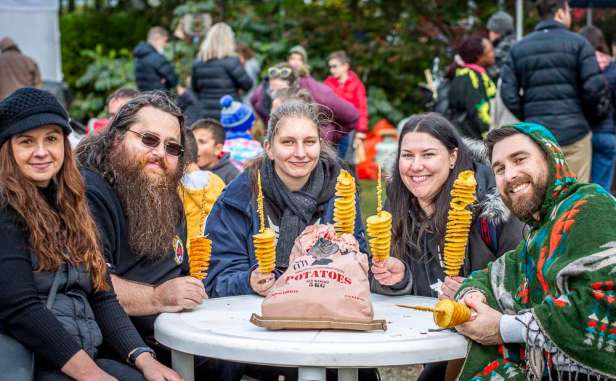
Lammas or Lughnasadh marked the beginning of harvest — a time to bake bread and give thanks.
Lughnasadh is amed after the god Lugh, it was a time of gathering — with fairs, dancing, music and hilltop celebrations bringing communities together to give thanks for the land.
Of course, the seasons are flipped and so you’ll have to look to Australia’s harvest time, May, to see how the tradition has carried over, with plenty of harvest celebrations to choose from. Festivals and gatherings that celebrate food, especially the humble spud, land and community echo the same ideas — just without the same name.
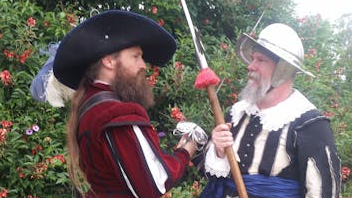
From medieval jousts to Celtic jigs, Australia’s cultural calendar is bursting at the seams in August. Whether you’ve got a passion for pipes and tartan, or a taste for traditional tunes, there’s a festival for you.
SEPTEMBER – Spring cleaning and the old rituals behind it
Spring cleaning feels practical — but it has deeper roots.
Across Britain and Ireland, seasonal resets were tied to both necessity and belief.
In Australia, the instinct is still there — and events like Fire Fable & Feast show how those seasonal transitions are still celebrated through fire, food and community.
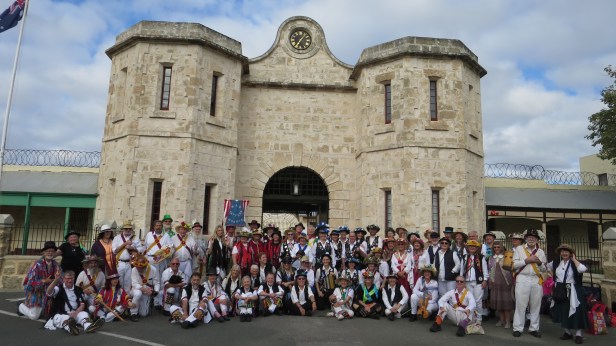
The Australian Morris Ale is a recurring national gathering of morris dancers usually held in late September or early October. Sides from across the country come together in one city for a host of celebrations and performances.
OCTOBER – Halloween started as something much stranger
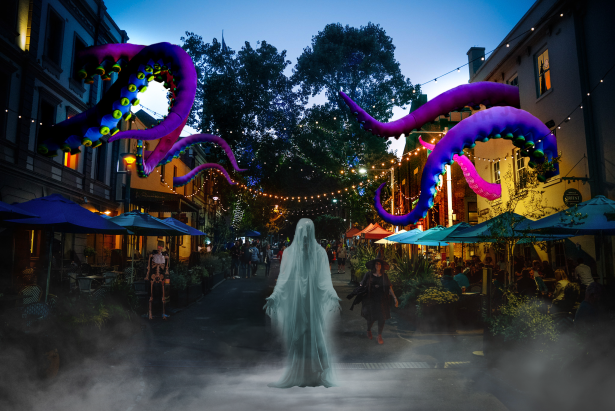
Halloween didn’t start with costumes and lollies.
It began as Samhain — a time when the boundary between worlds was thin.
While modern celebrations are more playful, the core ideas remain: gathering, storytelling and a touch of the unknown.
It’s one of the clearest examples of a tradition that’s changed — but never disappeared.
NOVEMBER – Bonfire Night and why it never quite caught on here
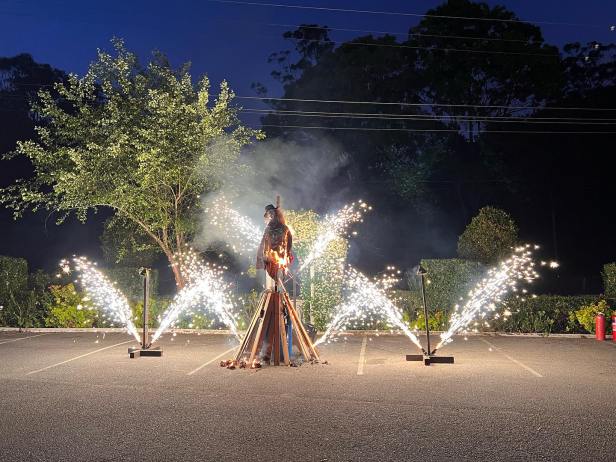
Bonfire Night goes by a different name in Australia. Cracker Night blended British traditions: the patriotic fireworks of Empire Day on Queen Victoria’s birthday and the fiery bonfires of Guy Fawkes Night and solstice.
Fire-based celebrations and community gatherings continued in different forms, but the time of year these celebrations were held changed to avoid the dry season and bush fire risk.
In Queensland’s Sunshine Coast, an annual Beltane festival keeps the Celtic tradition alive. Also in Queensland, Guy Fawkes Night is celebrated in style each year in November at The Fox and Hounds English pub in Wongawallen.
On 30 November, the Scots celebrate patron Saint Andrew. From the classic dinners to something a little different, ye canny beat a St Andrew’s Day celebration Aussie-style.
DECEMBER – The customs look a bit summery here
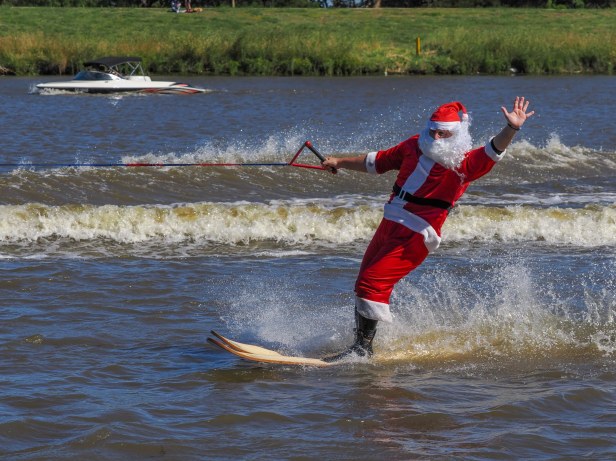
Christmas in Australia looks different — but the structure is familiar.
From pudding to Boxing Day to pantos, much of it comes straight from Britain and Ireland — as explored in Holiday customs keep Celtic Christmas spirit alive.
Get ready to don your Christmas T-shirt, embrace the scorching sun, and enjoy an Aussie-style Christmas that’s as lively as it is entertaining!
Across the year, these customs don’t disappear — they adapt.
And in Australia, that might be the most traditional thing of all.

