
Thought to originate from Roman pagan festivals featuring sacrifices to the god of fertility, Valentine’s Day has undergone a significant transformation. The celebration has evolved into a highly commercialised occasion, now closely associated with extravagant bouquets of roses, chocolates, and the exchange of greeting cards.
The association of St Valentine with love and romance gained prominence in the Middle Ages and evolved over time. The process of Christianisation often involved integrating existing festivals and traditions into the Christian calendar, adapting their themes to align with Christian values.
The association of Valentine’s Day with romantic love can be traced back to the medieval period. St Valentine, an Italian Christian martyr, was commemorated on February 14th. The day became linked with romantic love during the Middle Ages, and by the 18th century, exchanging exchanging handwritten notes or “valentines” had become a popular custom in England. This tradition gradually spread, leading to the widespread celebration of Valentine’s Day as a day to express love and affection to one’s romantic partner.
But there are many other celebrations of love in England and Celtic lands too. In fact, there are enough to see you through the whole year!
Love Spoons
In Wales, a tradition involves the exchange of “love spoons” on romantic occasions, including weddings and engagements. These intricately carved wooden spoons were traditionally given by a suitor to a young woman as a token of his affection. Each spoon had different symbols, and the carving itself was considered a demonstration of the suitor’s skills.
St Dwynwen’s Day
Celebrated on January 25th, St Dwynwen is the Welsh patron saint of lovers. On this day, Welsh couples exchange cards and gifts to express their love for each other. It is considered the Welsh equivalent of Valentine’s Day.
Celtic Handfasting
While not exclusive to Valentine’s Day, handfasting is a traditional Celtic ceremony representing a temporary or permanent betrothal. Couples would join hands and have them tied together with ribbons or cords, symbolising their commitment. Handfasting has experienced a resurgence in popularity, often used in contemporary pagan or Celtic-inspired weddings.
Matchmaking Festival
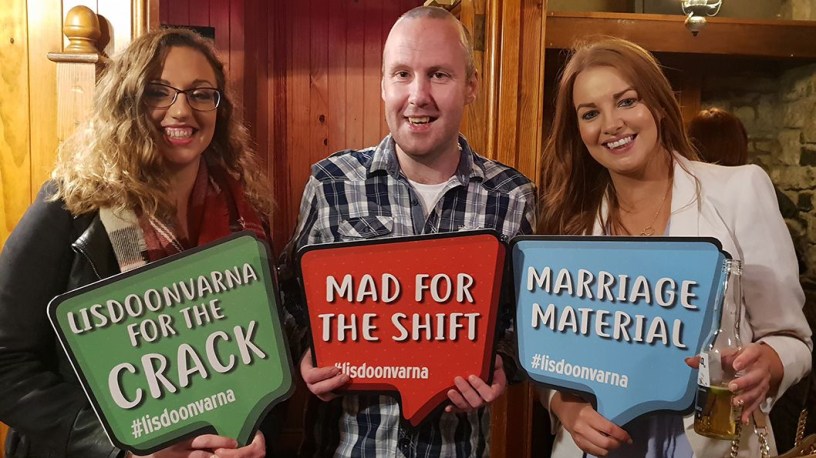
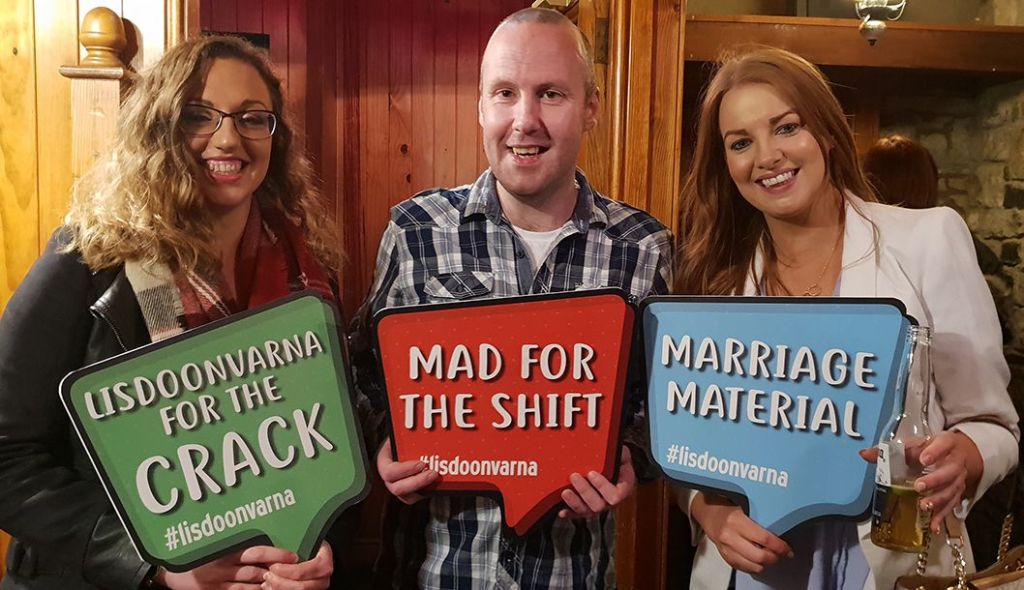
Lisdoonvarna, a small town in County Clare, Ireland, is perhaps the most famous for its traditional matchmaking festival. Historically held in September, the Lisdoonvarna Matchmaking Festival has been a long-standing tradition, drawing people from far and wide. Although the festival has evolved over the years, it still includes music, dancing, and the opportunity for singles to meet with professional matchmakers.
May Day
May Day in England, celebrated on May 1st, has pagan origins and it is linked with fertility and love. In some regions, the Maypole dance is performed, where people dance around a decorated pole, and this may have romantic undertones. The day marked the beginning of warmer weather and was seen as a time of courtship.
Beltane
Celebrated in Scotland and the Isle of Man on May 1st, Beltane is a Celtic festival marking the beginning of the warmer season. It’s associated with fertility, love, and the union of the goddess and god. Traditionally, couples would jump over bonfires for good luck and fertility, and handfasting ceremonies (temporary or permanent betrothals) were performed.
Bealtaine
Similar to Beltane, Bealtaine is an ancient Irish festival celebrated around May 1st. It involves lighting bonfires and has associations with fertility and love. In some areas of Ireland, especially in the north, settlers from Scotland and England brought the tradition of dancing around the Maypole to Ireland. Today, the village of Holywood in County Down has the only surviving permanent Maypole in Ireland.
Calan Mai
In Wales, May 1st is celebrated as Calan Mai, which translates to “the first of May”. Similar to Beltane, it’s a day associated with love and courtship. Young people would go into the woods to gather flowers, and the person who brought back the most beautiful bouquet was considered the most desirable.
Picture: Among the love traditions is the Lisdoonvarna Matchmaking Festival in Co. Clare, Ireland, where singles mingle in the hope of meeting a life partner. Pic: Lisdoonvarna Matchmaking Festival

