

Saint Dwynwen’s Day, celebrated on January 25th, is Wales’s own version of Valentine’s Day, honouring Saint Dwynwen, the Welsh patron saint of lovers.
Dwynwen’s story dates back to the 5th century and combines folklore, faith, and an enduring message of love. According to legend, Dwynwen was a beautiful princess and daughter of Welsh king Brychan Brycheiniog. She fell in love with a man named Maelon Dafodrill, but due to unfortunate circumstances, they were unable to be together.
Heartbroken, Dwynwen fled to the woods to pray, asking God to relieve her of her love for Maelon. In response, an angel visited her, offering a magic potion that would erase her feelings. However, when Maelon drank the potion, he was turned to ice.
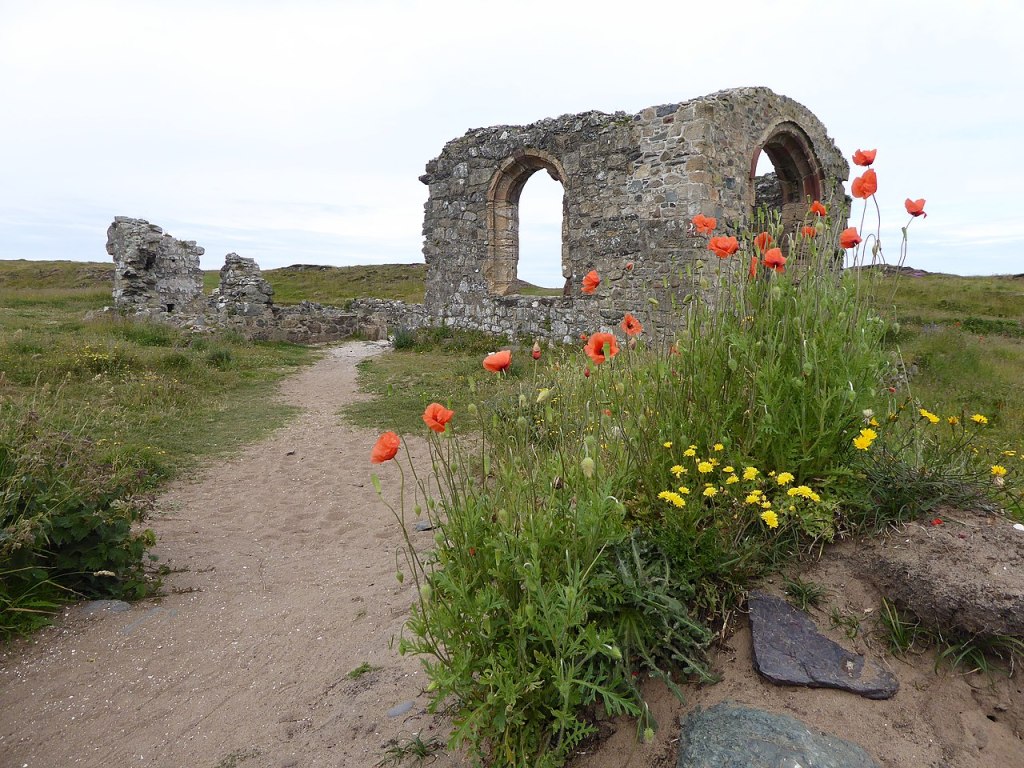
Distressed, Dwynwen again prayed, and God granted her three wishes. First, she wished Maelon would be thawed, which was granted. Her second wish was that God would answer the hopes of all true lovers; finally, she wished that she herself would never marry, dedicating her life to God. Dwynwen became a nun and eventually established a convent on Llanddwyn Island, off the coast of Anglesey, where a chapel in her honour still stands.
Today, Saint Dwynwen’s Day is celebrated across Wales as a day to express love and affection. Couples exchange cards, flowers, and small gifts, similar to Valentine’s Day traditions, but with a Welsh twist.
Many people visit Llanddwyn Island on Anglesey, where the ruins of her chapel remain, as well as a holy well believed to be sacred. Legends say the well’s fish can predict the future for those seeking insight into their romantic fortunes.
St Dwynwen’s Day has become a cherished occasion in Wales, reviving a unique piece of Welsh heritage and celebrating love in a distinctly Welsh way.

Pictures: St Dwynwen’s Church at Llanddwyn island. Credit: Wikimedia Commons. And, cover, an illustration of Saint Dwynwen.


