
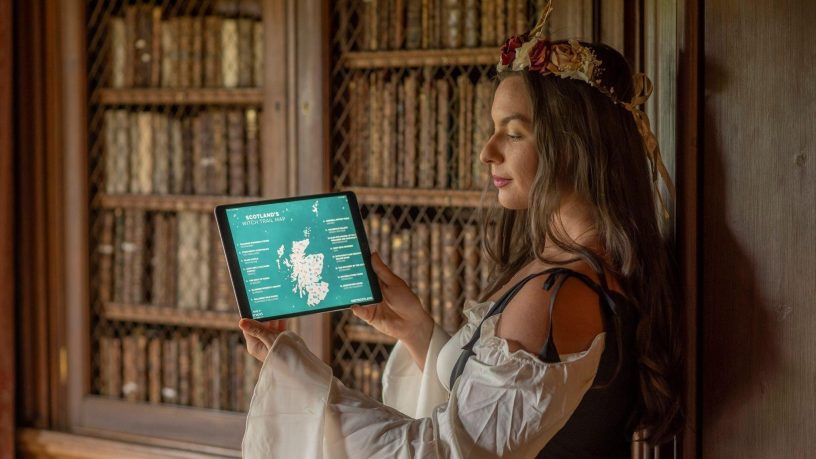
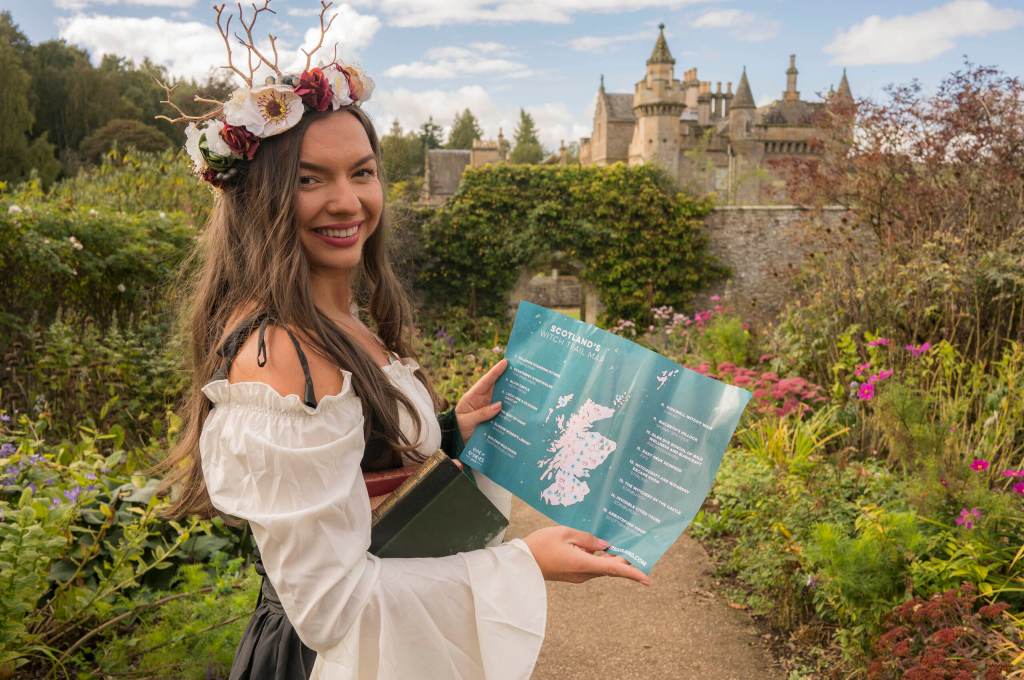
Halloween season is nearly here which means it’s time to delve into Scotland’s world of witches. Uncover the stories and tales of mythical witches and women accused of witchcraft and learn how they left their mark on Scotland’s turbulent history.
Delve into superstitions and folklore, witchcraft markets, historic landmarks, and haunted attractions, and more with an interactive map from VisitScotland.
The national tourism organisation is inviting visitors to discover some lesser-known spooky stories, dark history, truly magical places and find ways to live like a modern-day witch through the trail and map.
Witches and witchcraft make for a formative chapter in the story of Scotland covering history, women’s rights, superstition and the supernatural. There are numerous local tales spread across Scotland about witches and witchcraft based in both fact and legend.
The trail and map highlight a variety of these locations and attractions all with links to themes associated with witchcraft including a love of nature and modern takes on the lore. They can be enjoyed year-round as part of a longer holiday or on a day trip.
The downloadable guide features 15 locations and is hosted on VisitScotland.com.
Experiences on the map include:
Calanais Standing Stones, Isle of Lewis
Standing for over 5,000 years, the Calanais Standing Stones have a rich culture of magical folklore. One legend tells how a fairy cow came to give milk to the starving people of Calanais. All was well until a rumoured witch seeking more than her share brought the giving to an end by milking the cow dry before vanishing. The stones are thought to have inspired Outlander’s magical Craigh na Dun.
The Witchery by the Castle, Edinburgh
Located in an impressive 16th century building at the gates of Edinburgh Castle, this unique and atmospheric hotel and restaurant takes its name from the hundreds of women and men burned at the stake as witches on Castlehill. Today, visitors can dine in the luxurious surroundings of the original oak-panelled dining room and unwind in one of the lavishly decorated suites. Castlehill also features The Witches’ Well, a drinking fountain dedicated to those who lost their lives after being accused of witchcraft.
Kirkwall Witchy Walk, Orkney
This island was once a hotbed of allegations and accusations. Peer into Marwick’s Hole where those accused of witchcraft were imprisoned at St Magnus Cathedral and walk in the footsteps of the condemned to Gallow’Ha on a guided tour with Spiritual Orkney.
Blair Castle, Perthshire
This castle has a fascinating history of visitors, including Mary Queen of Scots, Bonnie Prince Charlie, and an alleged witch. Legend has it that the mountains overlooking the castle have acted as a hiding spot for a powerful witch who could shape shift into wildlife. Visitors should keep an eye out for creatures on a stroll around the grounds.
East Neuk Seaweed, Fife
Seaweed is believed to have been used by local wise women and healers of times gone by. East Neuk Seaweed offer various hands-on workshops in the coastal locations throughout Fife that highlight the healing properties and nutritional value of this sea vegetable. Dip your toes into the clear waters of Scotland and learn how to forage for and cook with wild seaweed.
Abbotsford, Scottish Borders
The home of 19th-century novelist and poet, Sir Walter Scott boasts a world-famous collection of rare books on witchcraft, demonology, and popular superstitions. Visitors to Scott’s stunning library can see his treasured “Witch Corner” overlooking the River Tweed. Find out how the facts inspired the fiction in some of the writer’s most iconic novels and explore how Scott used Abbotsford to help him bring the past to life.
Giles Ingram, Chief Executive of Abbotsford, said:“ Due to the popularity of Witch Corner, Abbotsford are currently building a sculpture trail inspired by the stories found within these books; from tales of witchcraft, to ourisks, elves, fairies and other mystical beings.”
Words and picture: VisitScotland

