
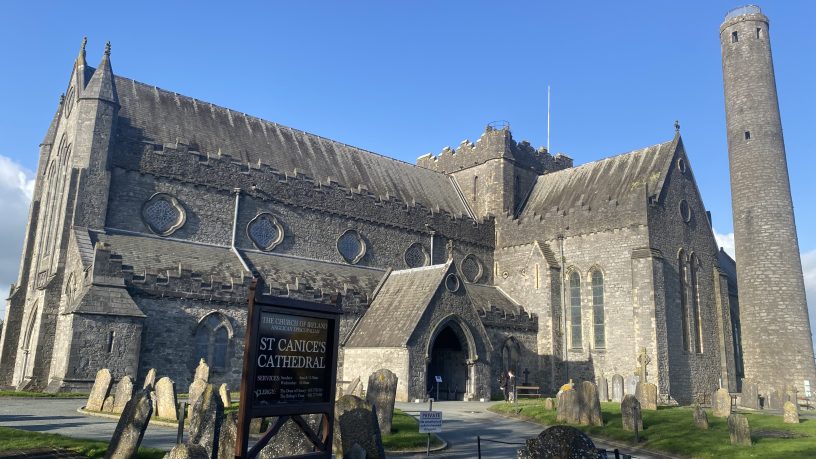
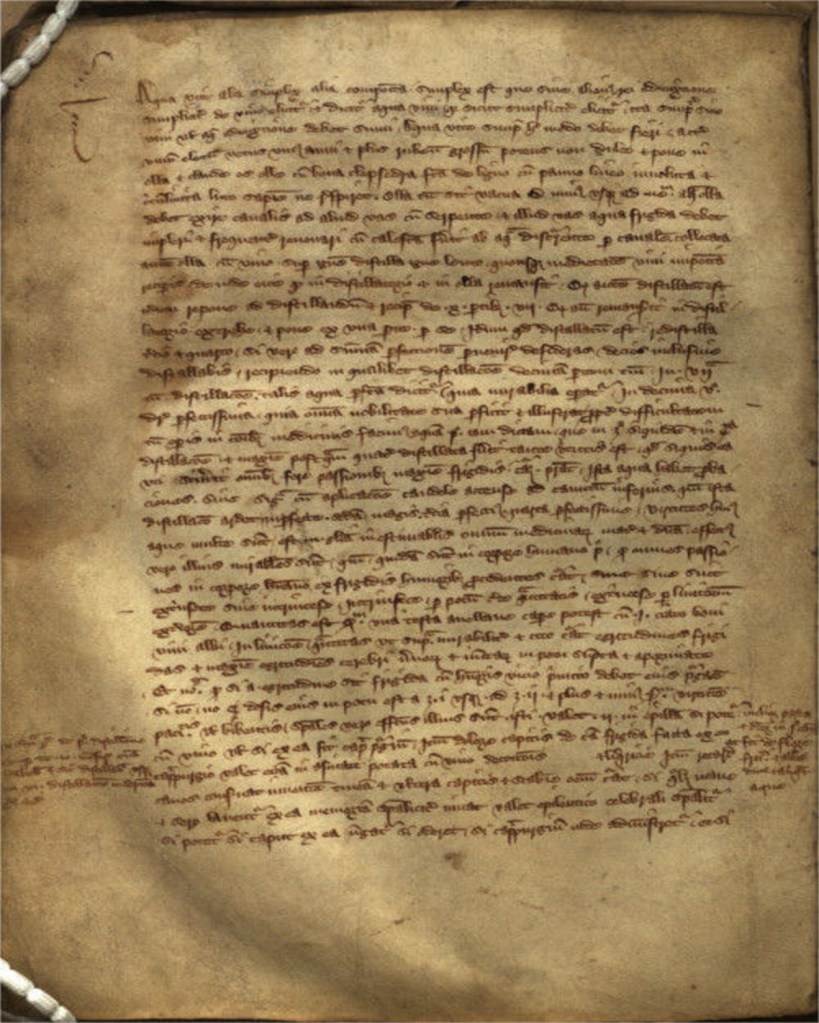
The Red Book of Ossory, a 14th-century manuscript now on display at St Canice’s Cathedral in Kilkenny, is steeped in Ireland’s medieval history, particularly the infamous witch trial of Dame Alice Kyteler. Compiled by Bishop Richard de Ledrede, the manuscript is a mix of religious texts and poetic works that reveal the complex and often dark landscape of the time.
The book contains important information such as documents of legal interest and the provisions of the Magna Carta. It has returned to its home in St Canice’s Cathedral to mark its 700-year anniversary.
Bishop de Ledrede arrived in Kilkenny from the papal court at Avignon in 1317, determined to assert his authority and root out heresy. His most notorious act was the prosecution of Dame Alice Kyteler in 1324, accusing her of witchcraft and sorcery.
Dame Alice, the daughter of a Flemish merchant, married four times, each marriage increasing her wealth. However, after the death of her fourth husband, William Outlaw, suspicions grew among her stepchildren, who accused her of using sorcery to kill their father and of engaging in devil worship. These accusations quickly escalated, and Alice found herself at the centre of Ireland’s first recorded witch trial.
The charges against Alice were vivid and horrifying: concocting potions from the remains of sacrificed animals and unbaptised boys, consorting with a demon lover, and poisoning her husbands. Despite the severity of these accusations, Alice evaded execution by fleeing to England, where she disappeared from historical records.
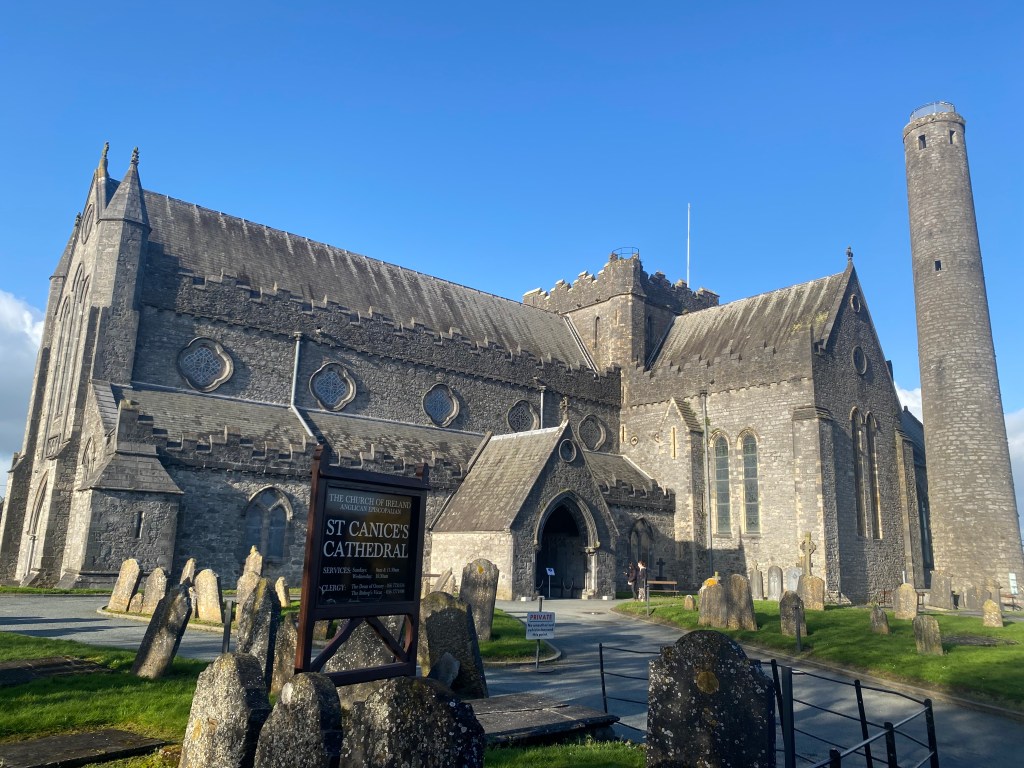
The same bishop who spearheaded this witch hunt also contributed to the Book of Ossory, composing 60 poems intended for the priests and choristers of St Canice’s Cathedral. These poems were meant to be sung, replacing the secular and sometimes bawdy songs of the time with spiritual verses. The manuscript, now preserved in St Canice’s, offers a glimpse into the religious and social tensions of the period.
While Dame Alice managed to escape, her servant, Petronilla de Meath, was not so fortunate. Under torture, Petronilla confessed to witchcraft and was burned at the stake — the first recorded execution for witchcraft in Ireland. She was the first person in history to be burned at the stake for the heresy of witchcraft. Her tragic fate marked the beginning of a dark chapter in Irish history, where fear and superstition often led to brutal consequences.
Bishop de Ledrede’s writings have been immortalised in the red, velum-bound manuscript, The Red Book of Ossory. It provides valuable insights into the Church’s power and influence in medieval Ireland. St Canice’s Cathedral, where the book is now on display, offers visitors a chance to see this historical manuscript up close, providing a tangible connection to one of Ireland’s most infamous witch trials.
Pictures: Cover and above: St Canice’s Cathedral in Kilkenny, Ireland. Credit: Wikimedia Commons And, main: Red Book of Ossory. Credit: Ireland.com


