
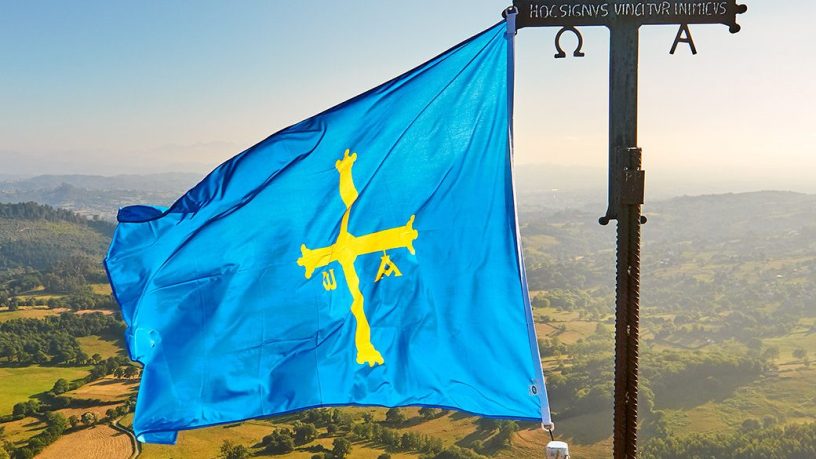
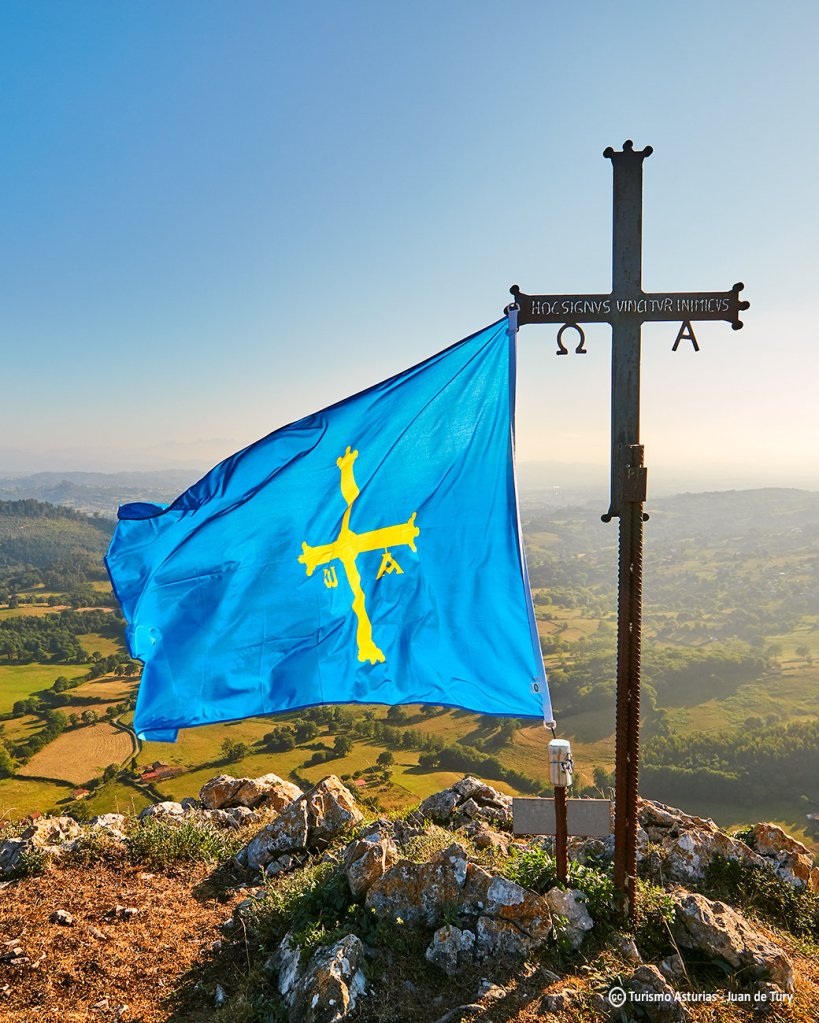
Asturias Day, celebrated on September 8th, is a vibrant homage to the unique cultural heritage of the Asturias region in northern Spain. This day is not only a celebration of the region’s autonomy but also a reflection of its deep-rooted Celtic connections, which set it apart from the rest of Spain.
The festivities begin with the traditional Asturian Mass, held in the historic city of Covadonga, a sacred site for Asturians. Covadonga is revered as the birthplace of Christian Reconquista, but its importance goes beyond this. The region’s Celtic roots are reflected in the rituals and music that accompany the Mass, with bagpipes (gaitas), drums, and harps echoing through the mountains, reminiscent of the sounds of Ireland and Scotland.
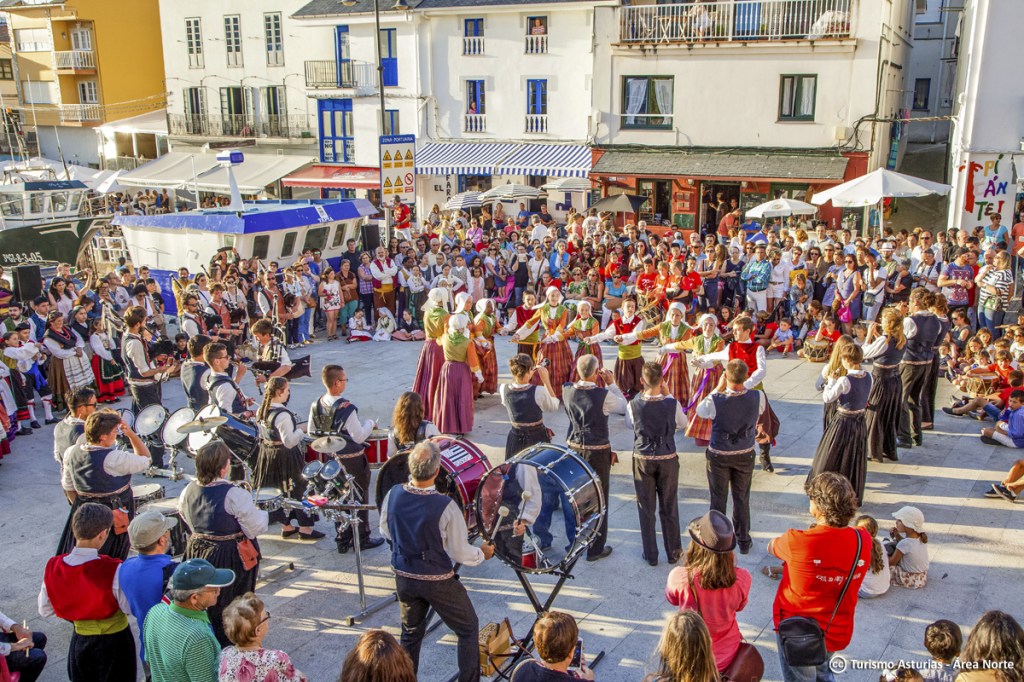
Asturian people, proudly wearing traditional costumes, gather to participate in the day’s events. The attire often includes a falda (kilt), similar to the Scottish kilt, a nod to their shared Celtic ancestry. Men and women alike wear these vibrant, plaid garments, further emphasising the cultural ties.
Music and dance are integral to Asturias Day celebrations. The sound of Celtic-
inspired tunes fills the air, with bands playing jigs and reels that encourage everyone to join in the dance. The danza prima, a traditional circle dance, sees participants holding hands and moving rhythmically, symbolising unity and community.
Asturian cuisine also shines on this day, with local specialties like fabada (a hearty bean stew) and sidra (cider) taking centre-stage. The cider, poured in a unique manner known as escanciar, involves holding the bottle high above the head and letting the cider splash into a glass below, showcasing the skill and tradition involved.
The Celtic legacy of Asturias is not just in its music and dance but also in its mythology and folklore. Stories of ancient Celtic gods and spirits are still told, connecting present-day Asturians with their ancestral past.
The Celtic people left several significant landmarks and cultural imprints in the Asturias region, reflecting their ancient presence and influence. Here are some key landmarks and remnants of Celtic heritage in Asturias:
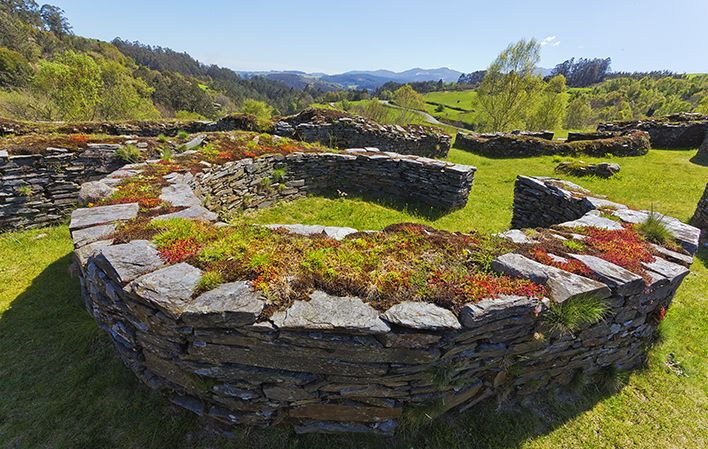
Castros: These are ancient hillforts built by the Celts, often located on elevated grounds for strategic defense. Notable examples include Castro de Coaña and Castro de San Chuis. These settlements typically feature circular stone huts and provide insight into the daily life and defensive strategies of the Celtic inhabitants.
Dolmens and Megaliths: The Celts in Asturias constructed various megalithic structures, such as dolmens, which served as burial sites. The Dolmen of Merillés and the Dolmen of L’Españal are prominent examples.
These ancient stone monuments highlight the Celts’ complex burial rituals and their reverence for their ancestors.
Celtic Stele: Scattered across the region, these stone steles are engraved with Celtic symbols and inscriptions. They serve as markers of significant places, possibly related to religious or commemorative purposes. One notable example is the Stele of Noreña.
Pictures: Celtic cultural celebrations showing the local kilt and bagpipes, Castro de Coana hill fort and the flag of the Asturias. Credit: Turismo Asturias

