
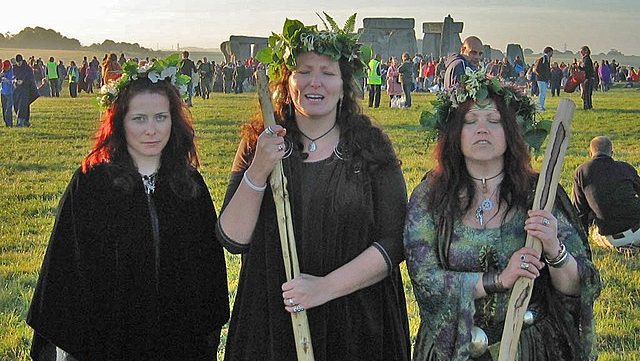
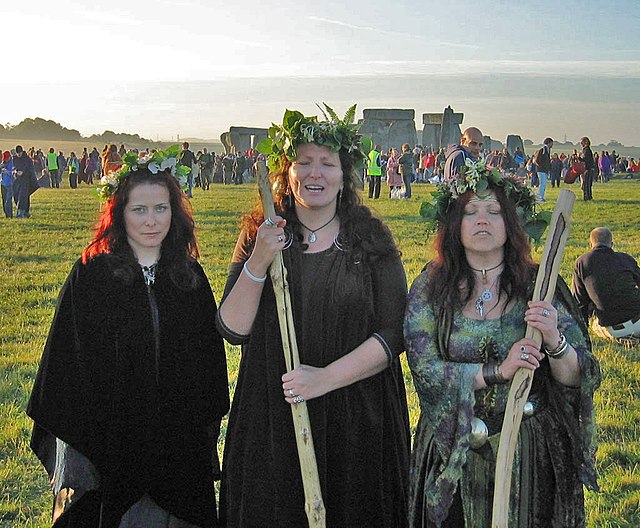
Each year, around June 20 to 21, the ancient Celtic festival of Litha, or Midsummer, returns with the turning of the wheel of the year. Celebrating the summer solstice, it marks the longest day and shortest night, a moment when the sun reaches its zenith in the sky. For the Celts, this was not just a meteorological event but a spiritually charged turning point, symbolising abundance, fertility, and the raw power of the sun.
Traditionally, Litha was observed with large bonfires, said to strengthen the sun and drive away evil spirits. Communities gathered on hilltops and sacred places, dancing around the flames, leaping through fire for luck and purification, and weaving flowers and herbs into garlands. Oak was the sacred tree of Midsummer, and people believed that herbs gathered during the solstice held especially potent healing powers.
In Ireland, ancient ring forts and hilltops — like the Grianán of Aileach in County Donegal — remain focal points for solstice gatherings. In the UK, Stonehenge draws modern pagans, druids, and curious visitors alike to witness the magical moment when the sun rises precisely over the Heel Stone, aligning with the ancient stones.
While Christianity later overlaid the festival with feasts like St John’s Day, echoes of the older solstice traditions remain in folk customs, such as torch-lit parades, flower crowns, and the emphasis on light triumphing over darkness.
Today, Litha is embraced by modern pagans, druids, Wiccans, and Celtic heritage enthusiasts. Whether through spiritual ritual, music, feasting, or simply watching the sun rise from a sacred hill, the customs surrounding Litha connect today’s celebrants to ancient rhythms and the natural world’s cycles—reminding us of the enduring human awe at the height of summer’s power.

St John’s Day, celebrated on June 24, is a Christian feast day honouring St John the Baptist — but many of its traditions predate Christianity and are rooted in pagan midsummer festivals across Europe. When the Church established the feast, it aligned with the summer solstice, absorbing existing fire and fertility rituals, especially in Celtic, Nordic, and Slavic cultures.
In Ireland, St John’s Eve (June 23) was marked with “Bonfire Night”, especially in the west. The tradition continues in Cork City. Families and communities lit huge fires on hilltops to protect crops and livestock, a custom rooted in older solstice traditions. People jumped over the flames for luck, scattered ashes over fields for fertility, and carried embers home to bless the hearth.
In Scotland, midsummer bonfires were also lit in earlier times, particularly in the Highlands, where customs merged with older Druidic fire festivals. Though largely faded today, some folk groups and neo-pagan circles honour the date with revived rituals.
In Brittany, le Feu de la Saint-Jean (St John’s Fire) featured dancing, feasting, and torch-lit processions. Bonfires were lit at crossroads and near chapels. Some communities still maintain the custom in modified forms.


.JPG)