
May has long been a month of vibrant celebrations in Britain and Ireland, blending ancient customs with Christian influences to usher in summer.
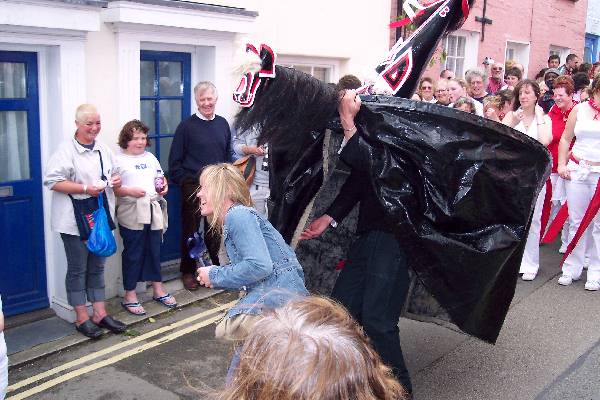
On May 1st, communities celebrate Beltane, an ancient Celtic festival. Originating from the Gaelic tradition, “Beltane” translates to “bright fire,” symbolising warmth and fertility. Festivities commence at midnight on April 30th in towns like Padstow, Cornwall, where the ‘Obby ‘Oss festival features processions of hobby horses, music, and dancing, culminating in a vibrant celebration of life and community.
Traditional customs include lighting bonfires and driving cattle between them, a practice believed to purify and protect livestock for the coming year. While some of these ancient rites have faded, modern observances often feature Maypole dancing, crowning a May Queen, and various community gatherings that honour the season’s fertility and abundance.
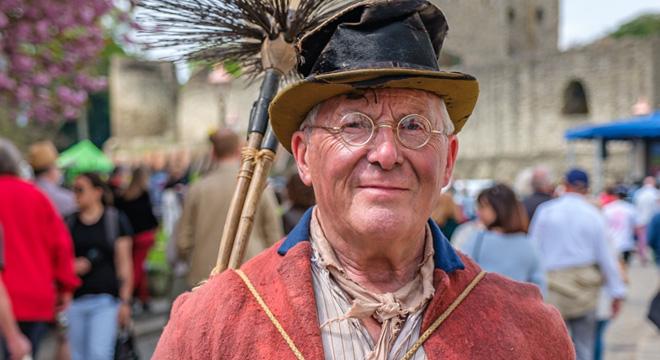
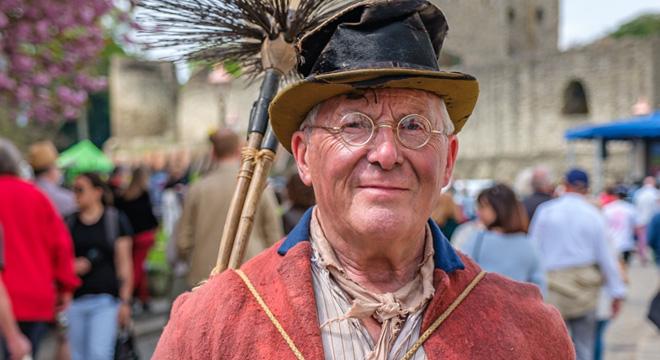
Rochester hosts the Sweeps Festival, one of the UK’s largest May Day celebrations. The festival commemorates the traditional holiday of chimney sweeps, featuring a vibrant line-up of folk music and dance performances. Activities include Morris dancing, live music, and the iconic Jack-in-the-Green procession, where a performer covered in greenery symbolises the spirit of summer.
Concurrently, May holds special significance in Christian communities as the month dedicated to the Virgin Mary. A cherished tradition involves creating May altars — decorative shrines adorned with flowers, candles, and images of Mary. These altars serve as focal points for daily prayers and reflections, fostering a deeper spiritual connection during the Marian month.
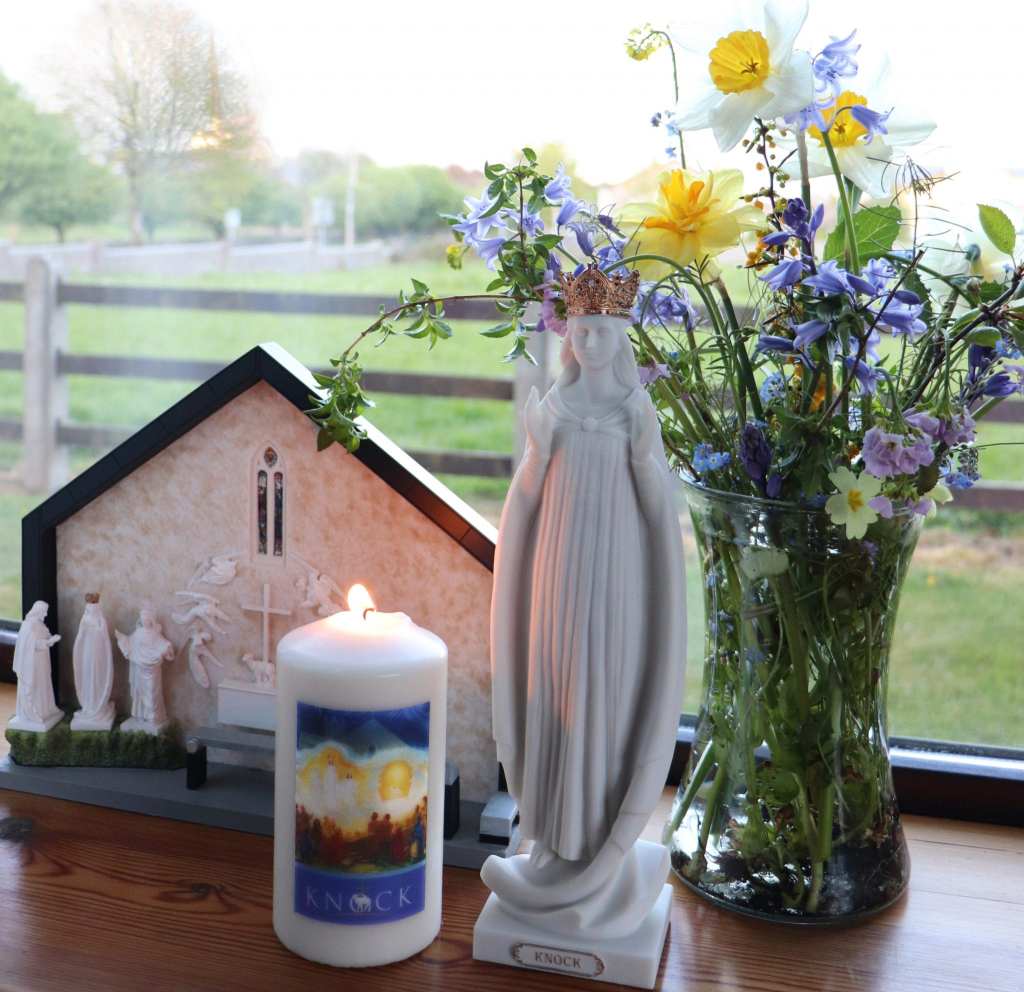
The practice of honouring Mary in May is deeply rooted in European history, with numerous Marian shrines attracting pilgrims seeking solace and devotion. Notable sites include Walsingham in England, where the Slipper Chapel houses a replica of the Holy House of Loreto, and Knock Shrine in Ireland, renowned for reported apparitions of Mary.
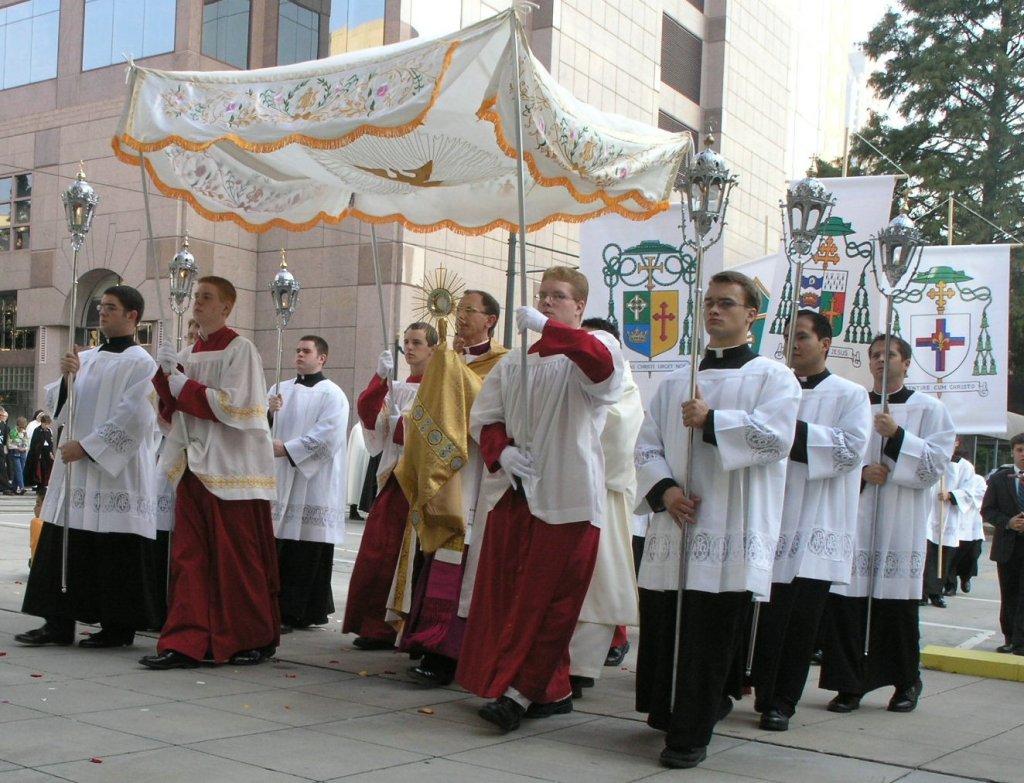
Following closely, the Feast of Corpus Christi is observed, typically falling in late May. Established in the 13th century, this feast honours the real presence of Jesus Christ in the Eucharist. It often involves processions through towns and villages, where the consecrated host is displayed in a monstrance. These processions are accompanied by hymns and prayers. In some areas, the celebrations include decorating streets with flowers and creating elaborate altars, blending local customs with religious observance.
Over centuries, these May traditions have undergone transformations, intertwining pagan and Christian practices. Many communities continue to celebrate May Day and Marian devotions, reflecting a rich tapestry of cultural and religious heritage.


