
Australian mining magnate Clive Palmer has unveiled updated plans to rebuild the Titanic, an ambition that has seen several starts and stops since its first announcement in 2012.
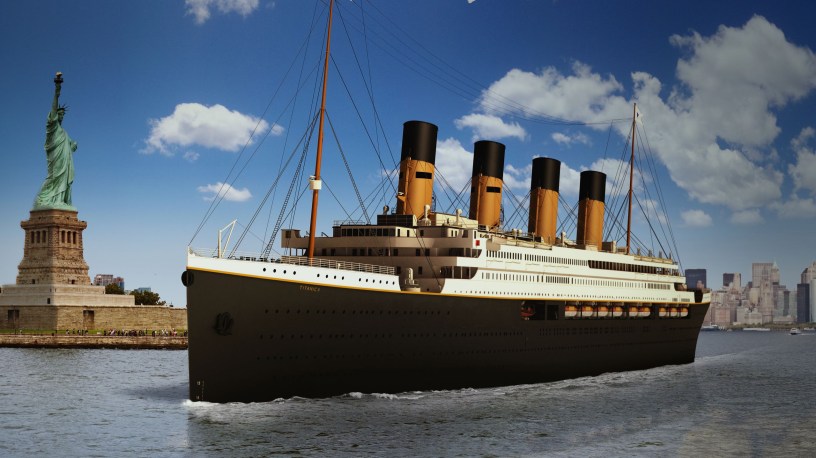
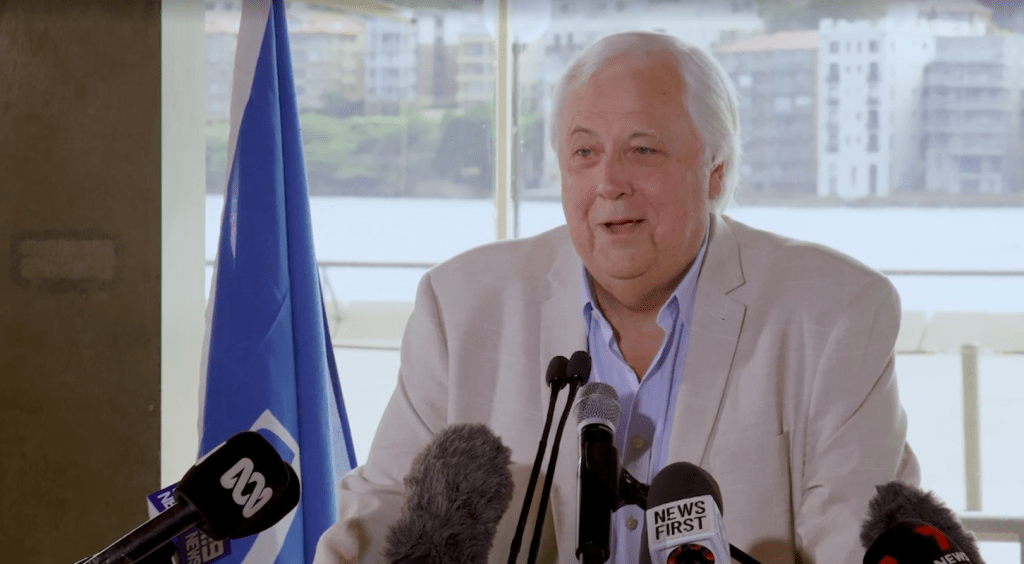
Speaking at the Sydney Opera House, Mr Palmer said the project, dubbed Titanic II, aims to create a modern replica of the infamous cruise ship, blending historical accuracy in design with state-of-the-art safety, navigation, and technology.
Clive Palmer’s vision for Titanic II is to deliver an “authentic Titanic experience” that captures the opulence and splendour of the original ship’s voyage, offering passengers a luxurious journey back in time. This ambition is underscored by a commitment to high standards in design and passenger experience, with the new vessel featuring the same interior and cabin designs as its predecessor but incorporating advanced safety and technological improvements.
Mr Palmer, who has Irish heritage, plans to infuse Titanic II with rich Irish cultural elements, reflecting the heritage of many original Titanic passengers. The ship will feature Irish dancing and traditional music, aiming to recreate the authentic third-class experience.
An amusing discovery during the ship’s design phase revealed a large area designated for storing potatoes, underscoring the simplicity of the original third-class provisions. Mr Palmer plans to honour this historical detail by offering a variety of potato dishes, symbolising the humble yet hearty fare of the time.
At the 2014 Lansdowne Club Saint Patrick’s Day Luncheon in Brisbane, Mr Palmer shared his ancestors’ story. He said that his Irish great-grandfather was transported to Tasmania for revolting against British rule and hijacking a ship. His fiancée, eager to join him, committed a minor theft of material from a drapery store, ensuring her own transportation. They reunited and were married in Tasmania.
Mr Palmer expects the construction of Titanic II to cost between $500 million and $1 billion, indicating the project’s grand scale and his commitment to realising this dream. Scheduled for a maiden voyage in June 2027, the Titanic II plans to retrace the original route from Southampton, England, to New York, providing an experience steeped in early 20th-century luxury while ensuring passengers’ safety and comfort with modern amenities and technologies.
This ambitious project reflects Palmer’s interest in creating a unique and luxurious cruising experience that honours the legacy of the original Titanic while leveraging his substantial wealth to bring a long-held dream to fruition. The Blue Star Line chairman said that design plans for Titanic II were being finalised.
“We are very pleased to announce that after unforeseen global delays, we have reengaged with partners to bring the dream of Titanic II to life. Let the journey begin,” Mr Palmer said.
“The government lockdowns sent the cruise industry into a long-term shutdown, but shipping is back in full business with passenger numbers now surpassing pre-Covid levels.
“We are getting the best shipbuilders, designers, and engineers in the world back on deck to build Titanic II,” Mr Palmer added.
The project enjoys the continued support of world-leading, Finnish-based ship design and marine engineering company Deltamarin.
“Blue Star Line will create an authentic Titanic experience, providing passengers with a ship that has the same interiors and cabin layout as the original vessel, while integrating modern safety procedures, navigation methods, and 21st-century technology to produce the highest level of luxurious comfort,” Mr Palmer said.
The ship will follow the original journey of the Belfast-built Titanic, carrying passengers from Southampton to New York, but she will also circumnavigate the globe, enchanting people while attracting unrivalled attention, intrigue, and mystery in every port she visits.
Titanic II will weigh approximately 56,000 tonnes, have nine decks, and will be designed to recreate the grandeur of its namesake. The vessel will have an overall length of 269 metres and a width of 32.2 metres. It will feature 835 cabins including 383 first class, 201 second class, and 251 third class rooms, catering for up to 2,435 passengers. Titanic II will be powered by a diesel engine and will feature four smoke stacks like the coal-powered Titanic.
“In 1912 the Titanic was the ship of dreams. For over a century Titanic’s legend has been powered by mystery, intrigue, and respect for all she stood for,” Mr Palmer said.
For more information, go to the Titanic II website at www.bluestarline.com.au.
TITANIC TALE FROM BELFAST TO CORK
BELFAST: The Titanic was built at the Harland and Wolff shipyard in Belfast, Northern Ireland. It was one of the largest and most renowned shipyards in the world at the time.
LIVERPOOL: The ship was owned by the White Star Line, a British shipping company headquartered in Liverpool, England. Titanic was registered in Liverpool, and the name “Liverpool” was displayed on its stern.
SOUTHAMPTON: The Titanic began its maiden voyage from Southampton, England, on April 10th, 1912.
CORK: Queenstown (Cobh) in Cork, Ireland, was the final port of call on April 11th, before Titanic headed out into the Atlantic Ocean. The ship was moored offshore, near Roche’s Point. Additional passengers boarded via tender boats.
The Titanic set out for New York but sank in the North Atlantic Ocean on April 15th, off the coast of Newfoundland, Canada. It was reported that the ship had struck an iceberg. More than 1,500 passengers and crew died.
Pictures: Clive Palmer speaking at the Titanic II project relaunch press conference at Sydney Opera House and, top, artist’s impression of Titanic II arriving into New York. Credit: Bluestarline.com.au.

