Modern Brisbane is a bustling river city, but scattered beneath its streets and among its historic buildings are rare reminders of a far harsher beginning. Between 1824 and 1842, Brisbane was the centre of the Moreton Bay Penal Settlement, a remote outpost created for the most troublesome convicts in the colony of New South Wales. Known as a place of secondary punishment, it held repeat offenders and men considered beyond reform. At its peak around 1830, nearly 1,000 prisoners were confined there.
Among those transported to Australia during the convict era were thousands of Irish prisoners, many convicted not only of ordinary crimes but also of political offences linked to Irish unrest in the early nineteenth century.
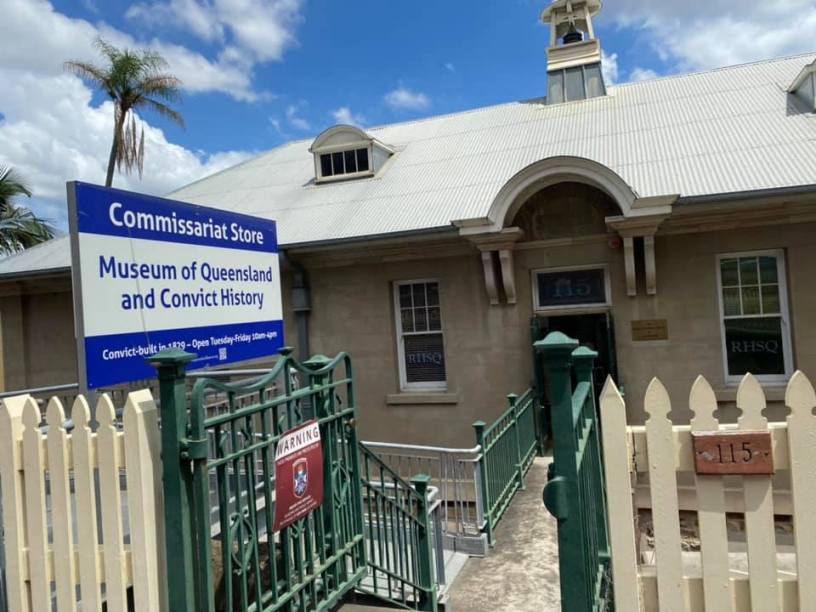
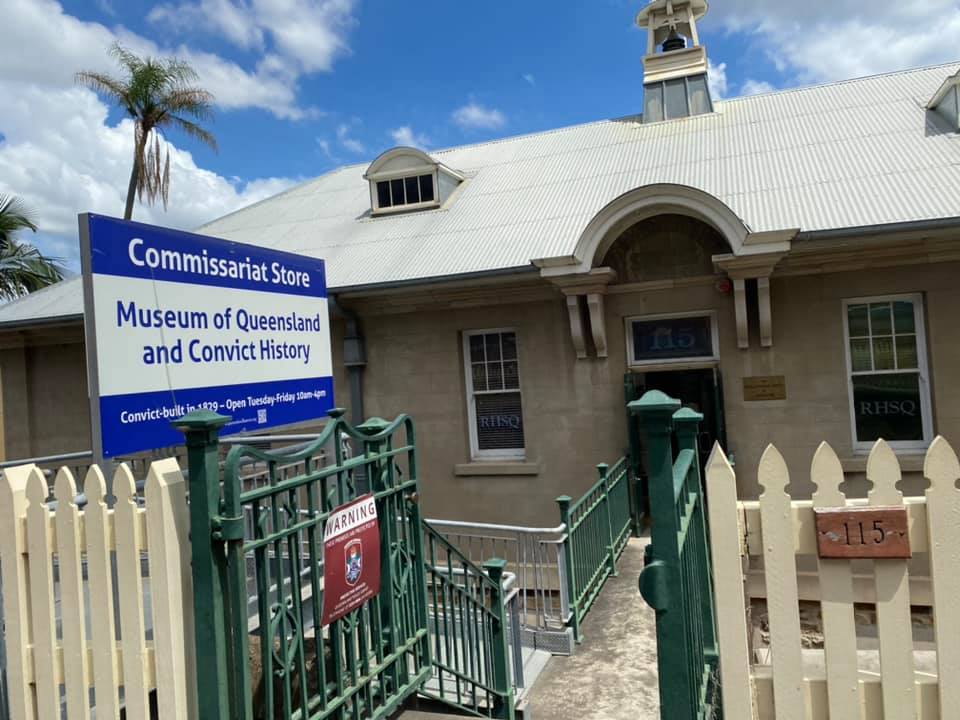
The most prominent surviving structure from those years is the Commissariat Store at 115 William Street, built in 1828 by convict labour. One of only two remaining buildings from Brisbane’s convict era, the stone storehouse held food, tools and government supplies for the penal settlement. Today it operates as a museum, preserving the story of the men who built it — including many Irish convicts. You’ll have the opportunity to see it for yourself on Queensland Irish Association’s talk on convict John Finnegan on May 20.
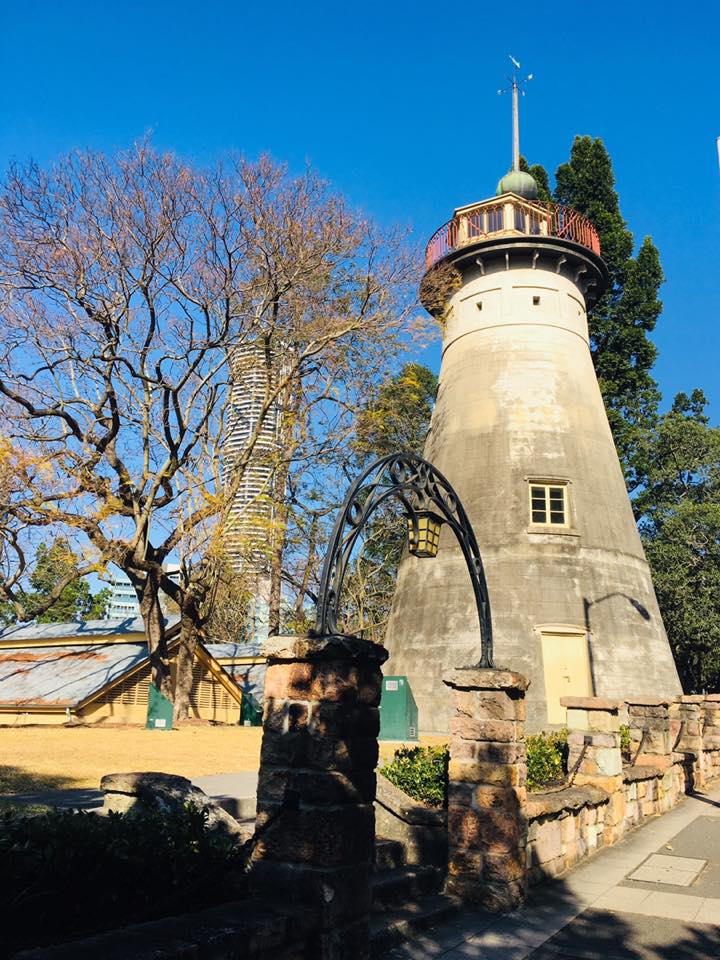
Nearby on Wickham Terrace stands the Old Windmill, constructed the same year. Intended to grind grain for the settlement, it rarely worked well due to unreliable winds. Convicts were instead forced to operate a punishing treadmill inside the tower to power the grinding machinery. Historical records suggest that Irish prisoners were among those assigned to the treadmill gangs — a form of labour widely regarded as one of the harshest punishments in the colony.
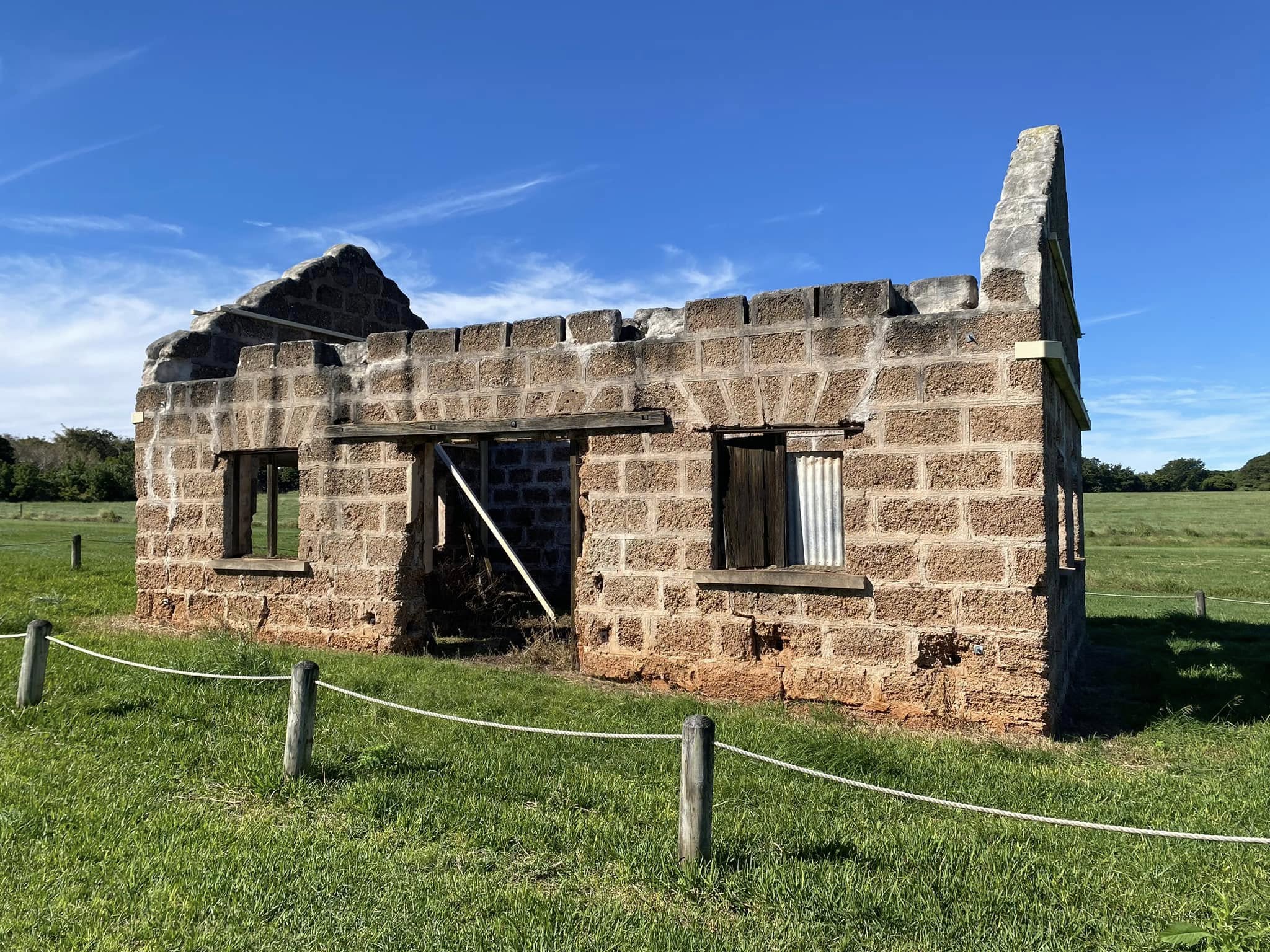
Across Moreton Bay, St Helena Island later became another infamous prison site. While its main buildings date from the later nineteenth century, the island’s penal history reflects the same tradition of harsh discipline that shaped Moreton Bay’s early years. Irish prisoners were also transported there after the prison opened in the 1860s.
The Queen Street area once held the Female Factory and the settlement’s main gaol, while a fragment of the original prison wall survives in a basement nearby.
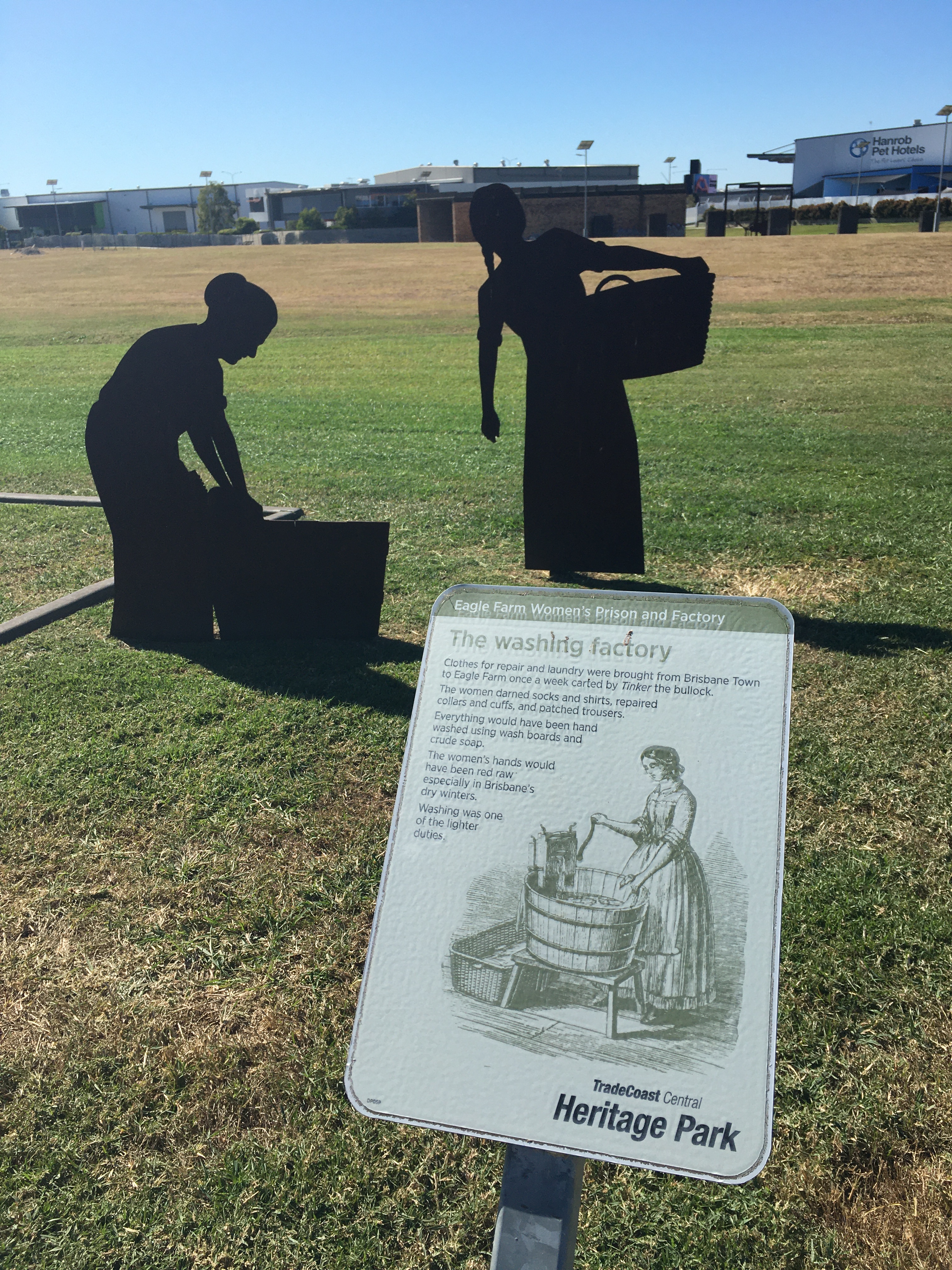
The remains of Brisbane’s Convict Women’s Prison and Factory can still be visited today at Eagle Farm, near the Brisbane Airport precinct. In the 1830s, women prisoners were moved there from the original Queen Street site. Women worked at tasks such as washing, sewing, farming and picking oakum from old ship rope. The prison closed when the Moreton Bay Penal Settlement ended in 1839, but traces of the site remain. Today visitors can walk around the heritage site at TradeCoast Central, where interpretive panels and artworks explain its history, and convict artefacts are displayed in the Interpretive Centre.
Other traces of the settlement lie hidden beneath the modern city. Convicts also cultivated the land that became the City Botanic Gardens, growing food for the settlement as early as 1825.
Together these scattered sites tell the story of Brisbane’s beginnings — a story shaped by the labour, hardship and resilience of many Irish men and women.
*This article was first published in Queensland Irish Association Newsletter, May 2026.