
Easter is a time of deep-rooted traditions, blending Christian observance with much older customs that have lingered through the centuries.
While church services and Easter eggs are familiar sights, each region has its own way of marking the occasion, with some quirks that have stood the test of time.
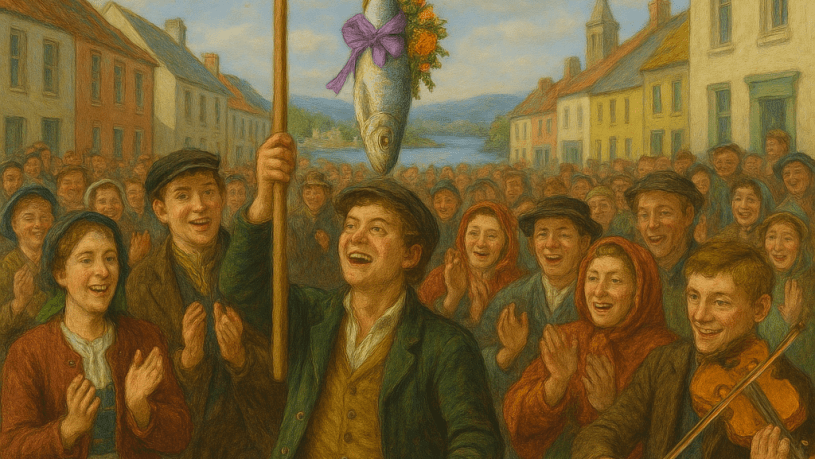
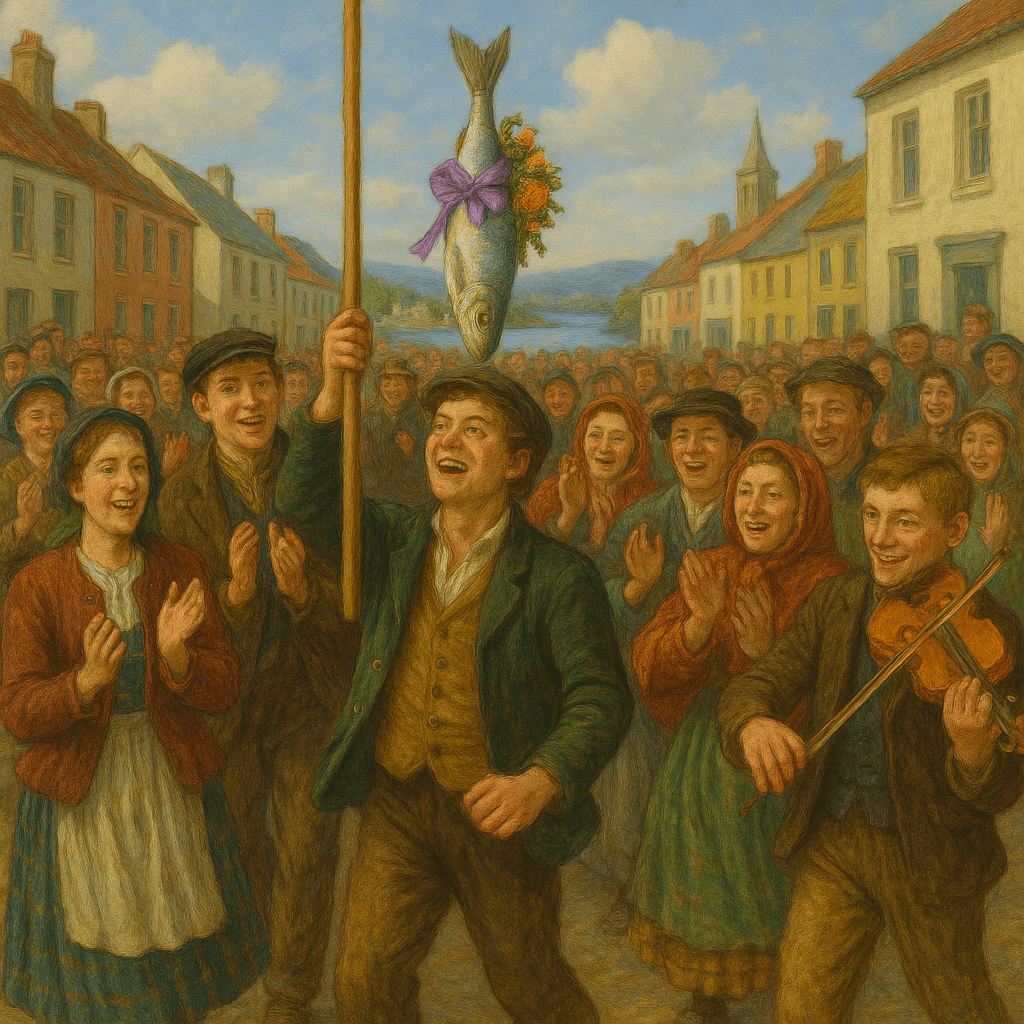
In Ireland, a rather dramatic custom of the past was the ‘funeral’ of a herring, symbolising the end of Lenten abstinence from meat.
Meat was off the menu, and fish became the staple, with herring being the most affordable and abundant choice for many families. By the time Easter arrived, people had grown more than a little tired of it.
This led to one of Ireland’s more curious and playful traditions — the mock funeral for the herring. On Easter Sunday, as soon as the final Mass was over, crowds would gather, often led by local butchers eager to mark the end of their meatless weeks. A herring, often decorated and tied to a stick or even placed in a miniature coffin, became the centrepiece of a lively procession.
Locals, young and old, paraded through the streets to music and cheers, treating the event with both humour and celebration. The mock solemnity of the ‘funeral’ was part of the fun, as the town symbolically bid farewell to the fish that had dominated their meals. In some places, they would dramatically bury the herring or toss it into a nearby river or lake, a final farewell to the fasting season.
While the tradition has faded over time, it remains a vivid and quirky reminder of how Irish communities combined practicality with playfulness, turning even their dietary fatigue into an excuse for a grand celebration.
But today, Easter in Ireland is more about feasting, family gatherings, and plenty of chocolate eggs, proving that some traditions evolve but never truly disappear.
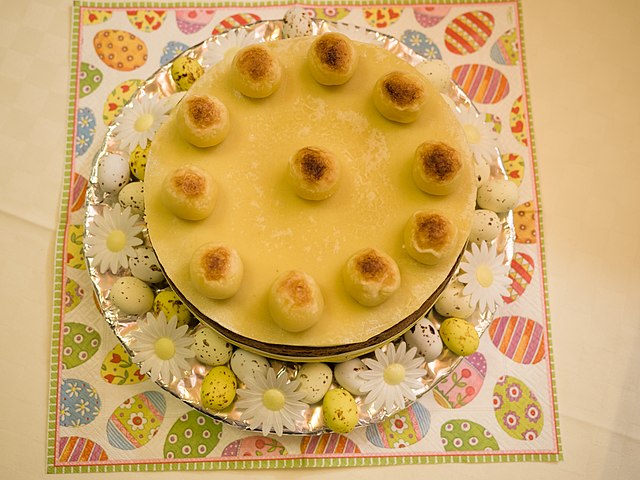
Scotland’s Easter customs often revolve around food, with Simnel cake, a spiced fruit cake topped with marzipan, making an appearance. Originally baked for Mothering Sunday, it became an Easter staple, with its eleven marzipan balls symbolising Christ’s disciples (minus Judas). In some parts of the Highlands, it was once believed that sunrise on Easter morning would reveal Christ dancing, leading people to gather at dawn to witness the spectacle.
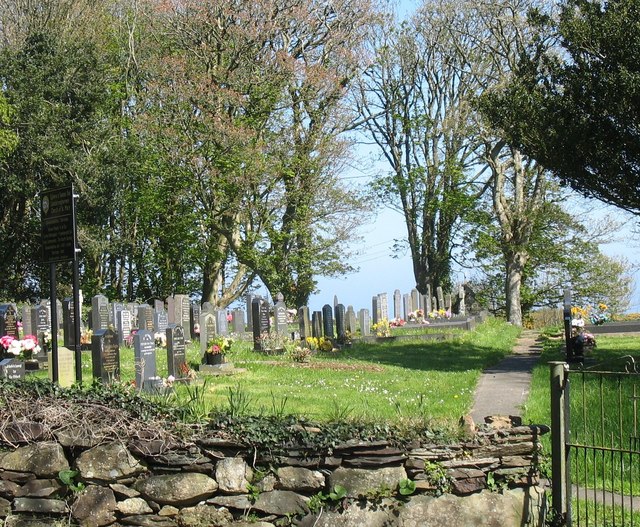
Over in Wales, ‘Sul y Blodau’ or ‘Flowering Sunday’ sees families visiting and decorating the graves of loved ones on the Sunday before Easter. It is a solemn yet beautiful tribute, honouring both the season of renewal and those who have passed.
In England, the rolling of Easter eggs down hills is a well-loved pastime, particularly in places like Avenham Park in Lancashire. Thought to symbolise the rolling away of the stone from Christ’s tomb, this simple yet competitive activity remains a firm family favourite. Meanwhile, in Gloucestershire, the curious tradition of ‘heaving’ or ‘lifting’ saw women lifting men in chairs on Easter Monday, a practice dating back to the 17th century.
In parts of the Highlands and Islands of Scotland, it was common to celebrate Easter with egg rolling — not the genteel kind you see on palace lawns, but wild races down hillsides with hard-boiled eggs!
In Brittany, they also had fun egg games — like throwing eggs over long distances to show off strength and fertility. Some remote areas practiced “water fights” at Easter to cleanse the body and soul for the season ahead.
 Anglo&Celtic
.jpg)
