
As the world waves goodbye to the old and embraces the new, we dive into New Year’s traditions that combine laughter and legacy in spectacular fashion.
FIRE STARTERS
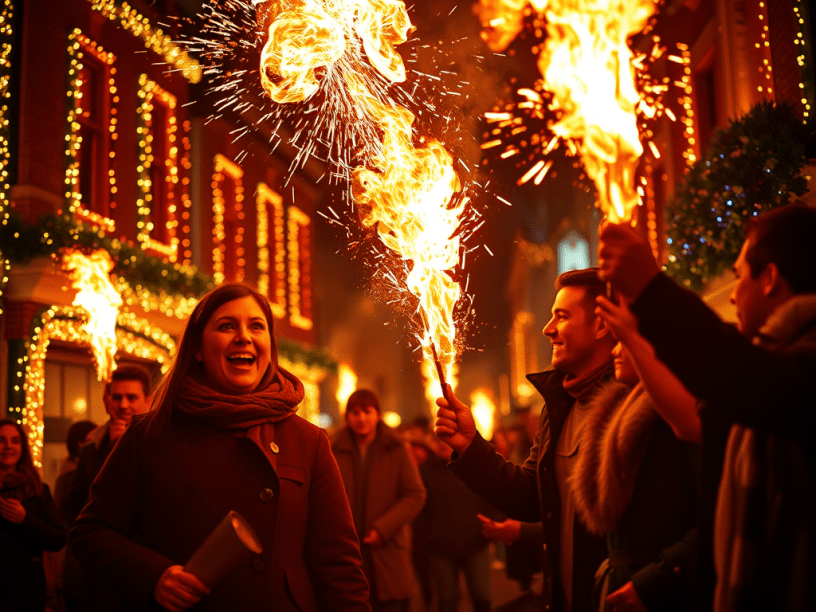
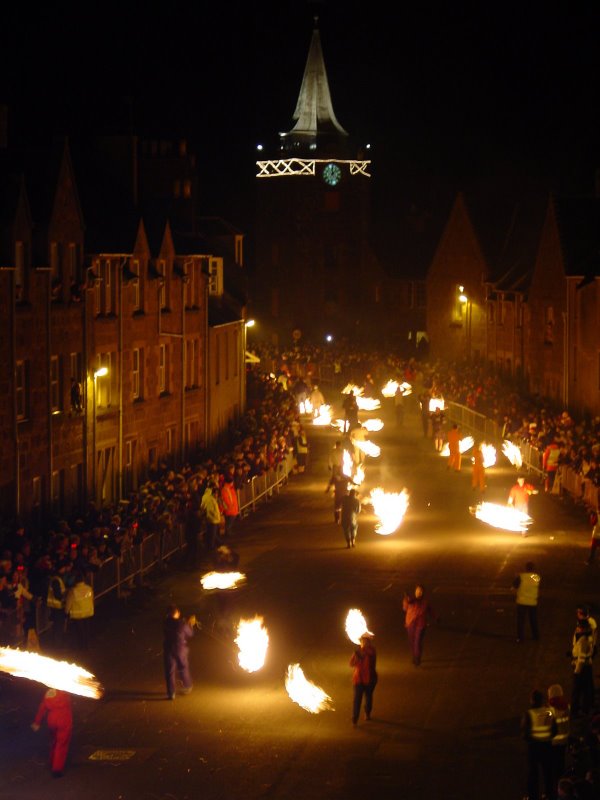
Fire takes centre stage in Scotland, where the renowned fireworks and torchlight procession in Edinburgh evoke the fiery spirit of Hogmanay’s pagan and Viking origins. Here, bonfires are lit, blazing tar barrels are rolled down hills, and lit torches are tossed high into the air. Stonehaven’s fireball swinging rivals any Cirque du Soleil performance as locals swing flaming spheres through the streets, chasing away any lingering evil spirits!
Meanwhile, in Northumberland, England, the Allendale Tar Bar’l ceremony showcases a sizzling hot New Year’s Eve tradition, where 45 local men carry burning whisky barrels balanced on their heads through the town, creating a spectacle that’s both bizarre and captivating.
As the new year dawns in Wales, the night sky resonates with the sound of fireworks crackling above and the warmth of bonfires, wrapping everyone in a cocoon of celebration.
A CLEAN START
The Scots add to the ritual with their own de-cluttering mission. Before the clock strikes midnight, debts are settled and homes are swept clean — both literally and metaphorically — to start the year with a fresh slate.
In Ireland, the New Year kicks off with a bang — or should we say, a sweep! The traditional early spring cleaning isn’t merely a household chore; it’s a bold declaration against post-Christmas gloom. Irish families bang bread on doors to drive away bad luck, turning what could be an ordinary task into a joyous proclamation of good fortune.
The first person to step through the door on January 1st holds the key to the year’s fortune in Ireland. A dark-haired stranger symbolises good luck, while a red-headed woman brings a more ominous omen. It’s as if the doorway becomes a stage for the year’s unfolding drama.
Meanwhile, the Scots host their own first-footing fiesta. The first person to enter a home after the midnight bells toll is the evening’s VIP, ideally dark-haired and bringing symbolic gifts that set the tone for the months ahead.
WASSAILING APPLES
When the clock strikes midnight in Scotland, the occasion transforms into a full-blown musical celebration, with “Auld Lang Syne” echoing through the night as the anthem of the year’s end. In parts of England, particularly in the apple orchard regions, the tradition of wassailing comes alive. Villagers gather to sing to the apple trees, ensuring a fruitful harvest in the upcoming year. This is not merely a song; it’s a harmonious wish for abundance, with the encore being the promise of a bountiful yield.
Irish singles embrace a whimsical tradition of tucking mistletoe, holly, or ivy beneath their pillows on January 1st, hoping to dream of their future partners.
Scots focus on saining their homes, blessing them with water from a river ford while burning juniper branches. Opening windows and doors is the ultimate invitation for fresh beginnings, giving a new meaning to the concept of welcoming change.
In Ireland, the New Year’s Day dinner transcends the living. Families set a place at the table for loved ones who departed in the previous year, leaving the door unlatched as a poignant reminder that some traditions forge connections across worlds.
On the Isle of Man, the New Year’s Eve celebration, known as Oie’ll Verrey, features mummers going door-to-door, performing masked dramas that bring the community together. The Manx enthusiastically embrace the resolution trend, making the Isle of Man a hub of ambition for the year ahead.
MEAT YOUR DESTINY
Forget resolutions; the Welsh prioritise feasting on New Year’s Day, with Welsh cakes taking centre stage to ensure the year begins on a sweet note.
In Brittany, the Feast of the Seven Meat Stew isn’t just a meal; it’s a vibrant prophecy of prosperity, combining seven meats to reflect a year filled with diverse experiences.
In many English households, the Christmas season doesn’t wrap up until January 6th, known as Twelfth Night. This evening is marked by revelry and cake-cutting, where hidden charms within the cake predict the future.
In Ireland, Women’s Little Christmas, or Nollaig na mBan, is celebrated on January 6th, offering women a well-deserved break from holiday duties, with a day of relaxation and fun.
Picture: Stonehaven fireballs ceremony in Scotland. Credit: MrPurple at English Wikipedia


