
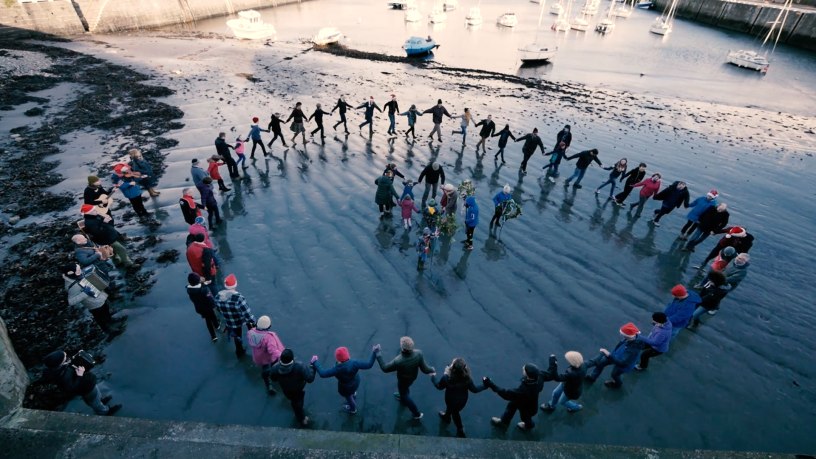
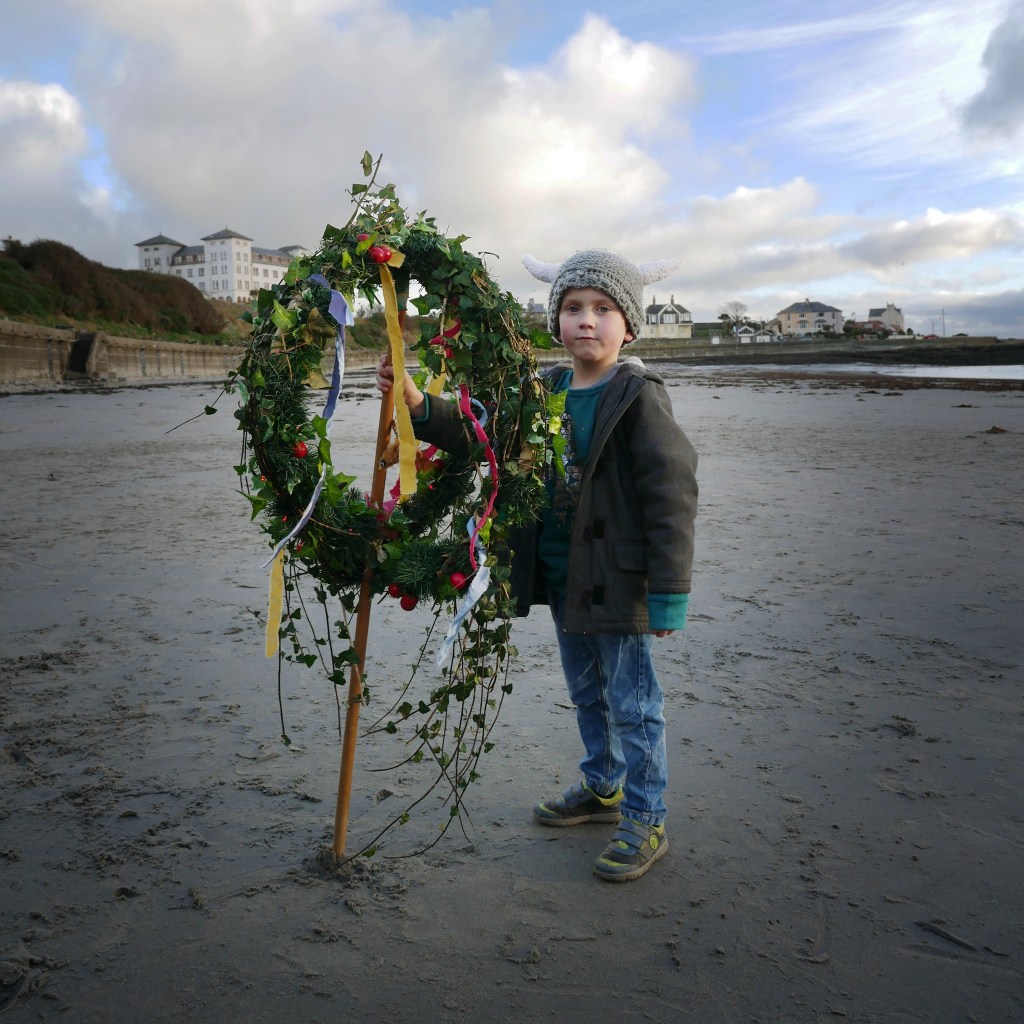
Did you know that Christmas was banned in Scotland for centuries due to the influence of the Protestant Reformation in the 16th century? The Scottish Reformation aimed to purify religious practices, and Christmas, with its associations to Catholic traditions and perceived pagan elements, became a target.
In 1640, the Scottish Parliament passed a law officially banning the celebration of Christmas, considering it “a time of superstitious observation.” For nearly 400 years, the holiday was not widely observed in Scotland. It wasn’t until 1958 that Christmas became a public holiday again. Before that, most Scots would work on Christmas Day.
Some islands in the Celtic lands still follow the “Old Calendar,” particularly when it comes to festivals and holidays rooted in ancient traditions. These islands hold on to customs that predate modern calendar reforms, particularly the Gregorian calendar adopted by much of Europe in the 16th century. The switch to the new calendar meant that many traditional holidays were shifted by days or even weeks, but some communities preserved their original dates.

One notable example is the Isle of Lewis in the Outer Hebrides of Scotland. Here, the people observe “Old Christmas” on January 5th.
In Wales, the Mari Lwyd is a pre-Christian tradition still practiced in some parts, especially around Christmas and New Year. A horse’s skull, often decorated and draped with ribbons and a white sheet, is carried door-to-door by a group of singers. The group engages in a form of verbal sparring with the householders, who must “battle” the Mari Lwyd with witty verses. This custom is believed to bring good luck for the coming year.
Christmas in Wales is called Nadolig. It includes traditional Welsh carols, known as plygain carols, which are performed in a special pre-dawn service on Christmas morning.
In Ireland, Wren Day (Lá an Dreoilín) is celebrated on December 26th, St Stephen’s Day. Traditionally, people would hunt the wren, considered the “king of all birds” in Irish mythology, and parade it around the village. Today, this is often done with fake birds, and participants, known as Wren Boys, dress in colourful costumes, visit homes, and perform music.
The Isle of Man has a similar custom called Hunt the Wren. Participants parade with a decorated wren effigy, symbolising a ritual to bring good fortune and drive away evil spirits for the new year.
Pictures: Main and cover – Hunt the Wren in the Isle of Man. Credit: Facebook.com/CultureVannin
And Wren Boys on St Stephen’s Day in Dingle, Ireland. Credit: National Library of Ireland/WikiCommons


_in_Dingle,_Co_Kerry.jpg)