
Calan Gaeaf, the first day of Winter, is celebrated in Wales on the eve of October 31st as Nos Galan Gaeaf. In medieval times, Calan Gaeaf was a harvest festival, while Nos Galan Gaeaf marked the night when the veil between the human world and the spirit realm was believed to be at its thinnest, known as ‘Ysbrydnos’.
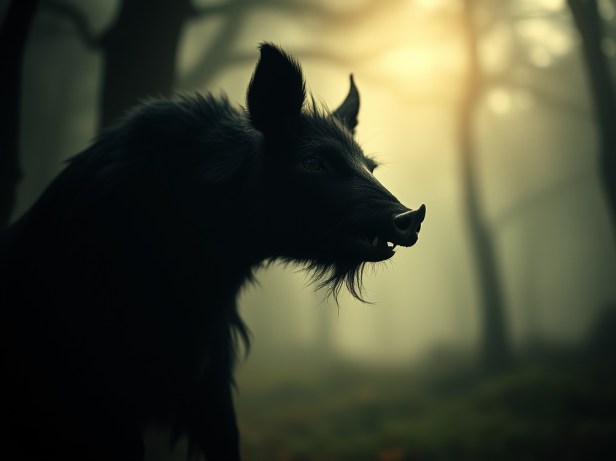
On Nos Galan Gaeaf, spirits were thought to roam freely, with ghosts appearing at midnight on every stile across the land. The most famous of these apparitions included the Ladi Wen (White Lady) and, particularly in North Wales, the Hwch Ddu Gwta, or ‘The Tailless Black Sow’.
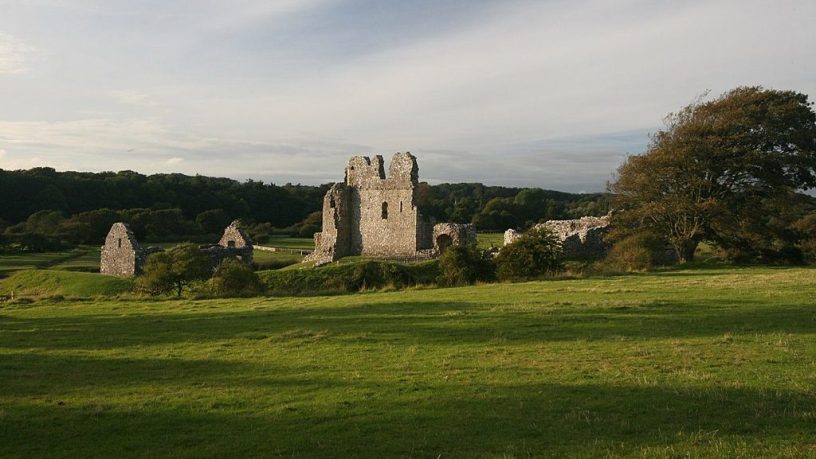
Y Ladi Wen is often linked to Ogmore in Bridgend, where locals once whispered of a ghostly woman wandering the area. Legend has it that one brave soul finally dared to approach her, and she led him to a cauldron brimming with gold, hidden under a hefty stone in the old Ogmore Castle tower. She kindly let him take half the treasure for himself, but the temptation proved too great. The man returned, helping himself to more of the stash. Furious, the spirit’s fingers turned to claws as she attacked him on his way home. He fell terribly ill and only passed away after confessing his greed. From then on, people believed anyone who kept treasure hidden would suffer “Y Ladi Wen’s revenge” if they didn’t reveal it before passing on.
The Hwch Ddu Gwta was a particularly frightening ghost. As night fell, local men would dress in pig skins and chase children home from village bonfires, threatening to catch the last child to make it home. This frightening game served both to scare the children and to ensure they returned home promptly.
Additionally, men dressed in rags, masks, or even women’s clothing would go from door to door collecting coppers, fruit, and nuts, often drinking in local pubs afterward. This practice was believed to repel evil spirits and might also have been a tactic to encourage people to hand out treats.
Another tradition involved locals writing their names on stones and throwing them into a bonfire, or coelcerth. The next morning, the ashes were inspected, and if a stone with your name was missing, it was considered an ominous sign of impending death.
A grand bonfire remains a central feature of Welsh Nos Galan Gaeaf celebrations, preserving the spirit of these ancient customs.
Cover picture: Ogman Castle is associated with the Ladi Wen. Credit: Ewan Topping on Wikimedia Commons


