
When we think of the European exploration and settlement of Australia, the British typically come to mind. However, hot on the heels of the British First Fleet was a French expedition, leaving an indelible mark on Sydney’s history and geography. The area of La Perouse and Frenchmans Bay stands as a testament to this.
In January 1788, the French explorer Jean-François de Galaup, comte de Lapérouse (count of Lapérouse), arrived in Sydney with his two ships, the Astrolabe and the Boussole. Lapérouse’s expedition had left France in 1785 with the mission to explore the Pacific and chart unknown territories.
Lapérouse’s ships arrived off the coast on 24th January 1788 but were unable to enter Botany Bay. On 26th January, the very day that Governor Arthur Phillip raised the Union Jack at Sydney Cove, Lapérouse and his crew anchored in Botany Bay. They set up camp in what is now known as La Perouse, named in honour of the French explorer.
Lapérouse and his men stayed in Botany Bay for six weeks, repairing their ships and engaging in scientific exploration. They established friendly relations with the local Aboriginal people and documented the flora, fauna, and geography of the area.
The French were meticulous in their observations, and their scientific work complemented the efforts of the British. Despite the geopolitical rivalry, there was a sense of mutual respect between the French and British explorers. Lapérouse even sent letters and reports to Governor Phillip, which were then forwarded to the French government.
After departing from Botany Bay in March 1788, Lapérouse’s expedition vanished. The fate of the Astrolabe and the Boussole remained one of the great maritime mysteries until the early 19th century when wreckage believed to be from the ships was discovered on Vanikoro in the Solomon Islands.
The suburb of La Perouse in Sydney’s south-east is named in honour of the French navigator. It is a vibrant area with a rich history, reflected in its celebration of Bastille Day. Frenchmans Bay, located nearby, further commemorates the French presence.
The La Perouse area boasts several historical landmarks. La Perouse Museum is housed in a heritage-listed building, showcasing the history of Lapérouse’s expedition and the area’s Aboriginal heritage.
The La Perouse Monument, erected in 1825 by the French, commemorates Lapérouse and his crew.
Bare Island, fortified in the late 19th century, was used to protect Botany Bay from potential sea attacks and is now a popular tourist destination.
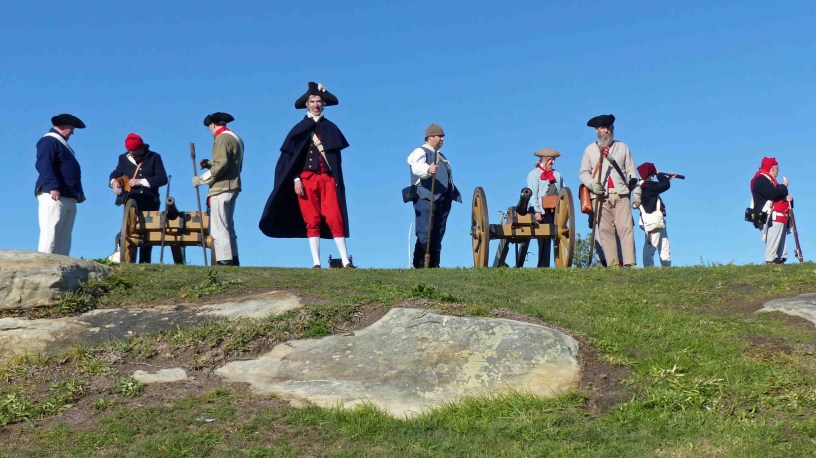
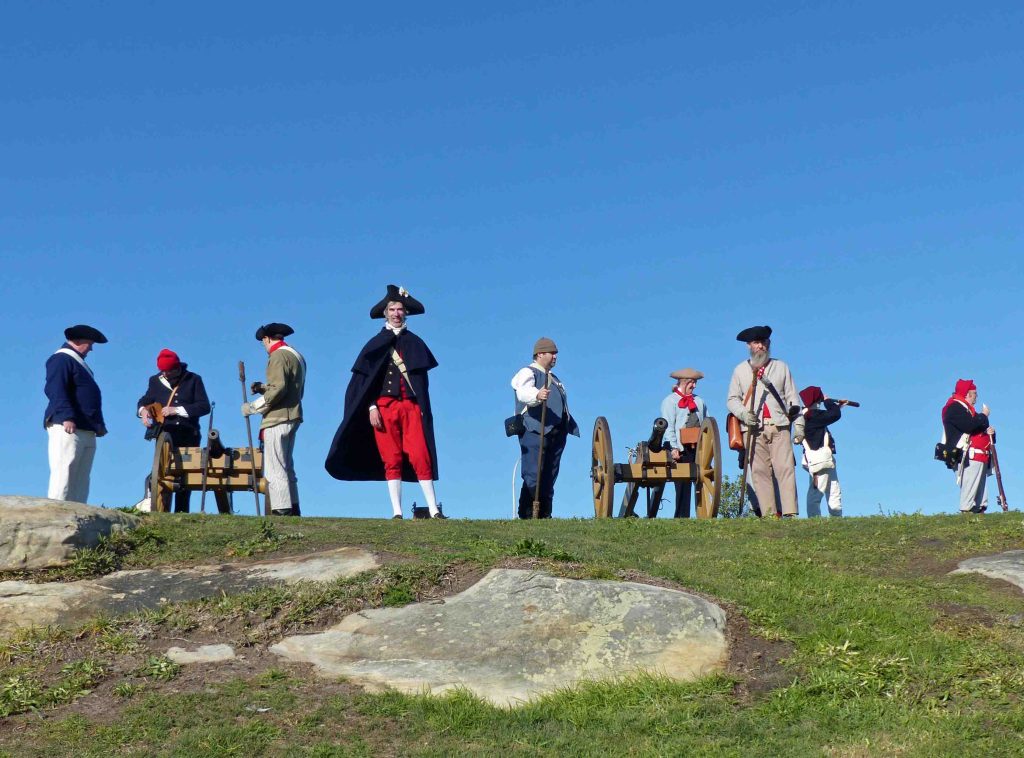
Every year, La Perouse and Frenchmans Bay come alive with Bastille Day celebrations. These festivities include French food, music, and cultural activities, drawing locals and tourists alike to celebrate Franco-Australian friendship.
This year, Randwick City Council will hold a civic ceremony on Sunday, 14th July, at the Lapérouse Monument featuring speeches, wreath laying, and the firing of cannons.
DATES & DEETS
14 JUL
La Perouse NSW
Picture: Bastille Day celebrations at La Perouse headland. Credit: laperouseheadland.com

